
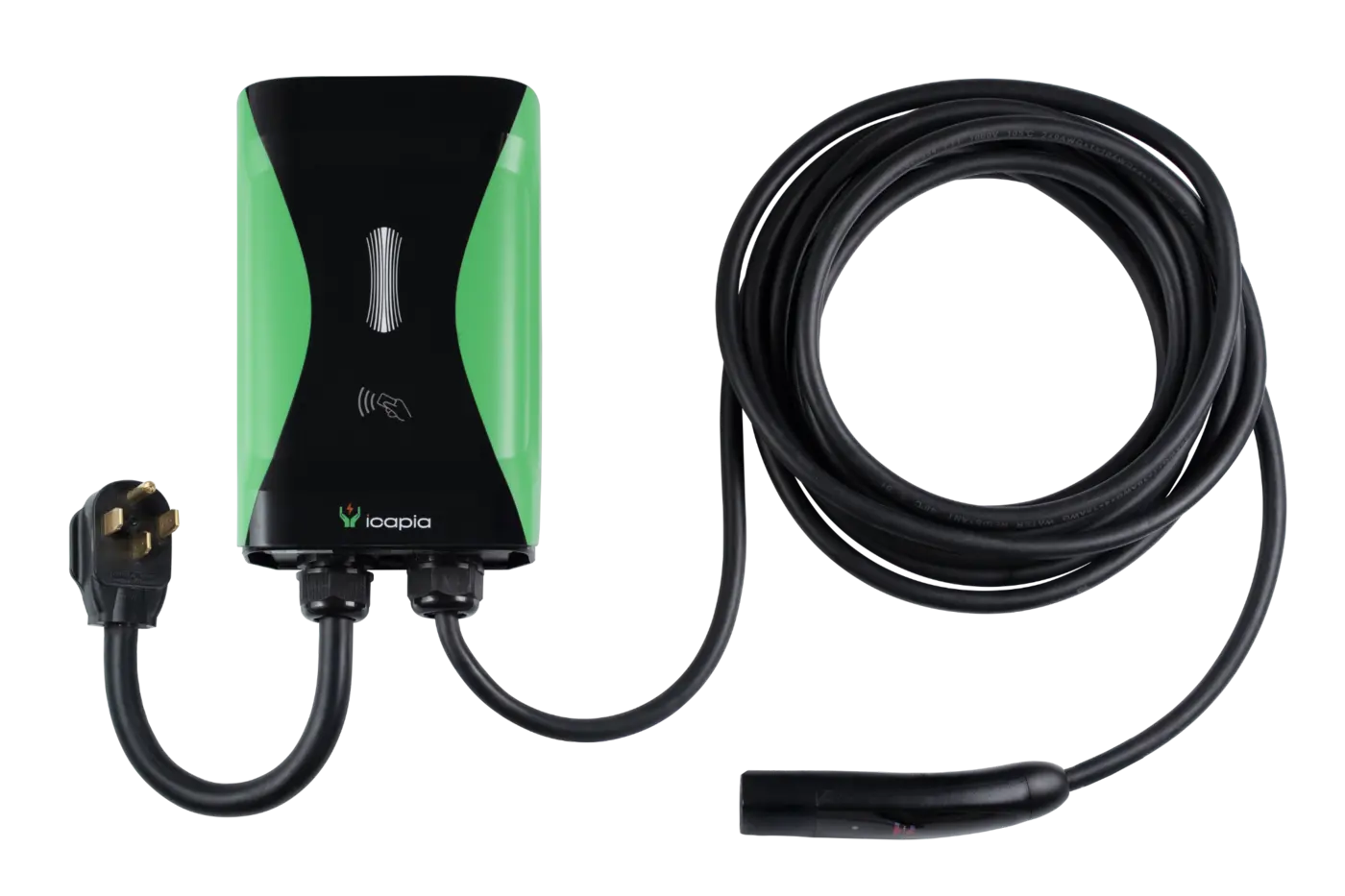
EV charger installation cost in 2026 ranges from about $900 for a home Level 2 charger to $250,000 or more for a DC fast charging site. Where you land depends on the charger type, your electrical capacity and how far the charger sits from your panel.
Quick answer: 2026 EV charger installation costs
Want a real number for your property? Our specialists size the project and check incentives for you, free.
Get My Free QuoteCall (844) 442-2742Cost matters even more this year, because the federal 30C tax credit ended for chargers placed in service after June 30, 2026. Here is the full breakdown, and how to bring your number down.
| Charger type | Hardware cost | Typical installed cost |
|---|---|---|
| Home Level 2 | $300–$1,200 | $900–$2,500+ |
| Commercial Level 2 (per port) | Varies by model | $3,000–$12,000+ |
| DC fast charger (per unit) | $30,000–$140,000+ | $80,000–$250,000+ per site |
EV charger cost calculator
Pick your project to see a typical installed price range.
Home Level 2 EV Charger Installation Cost
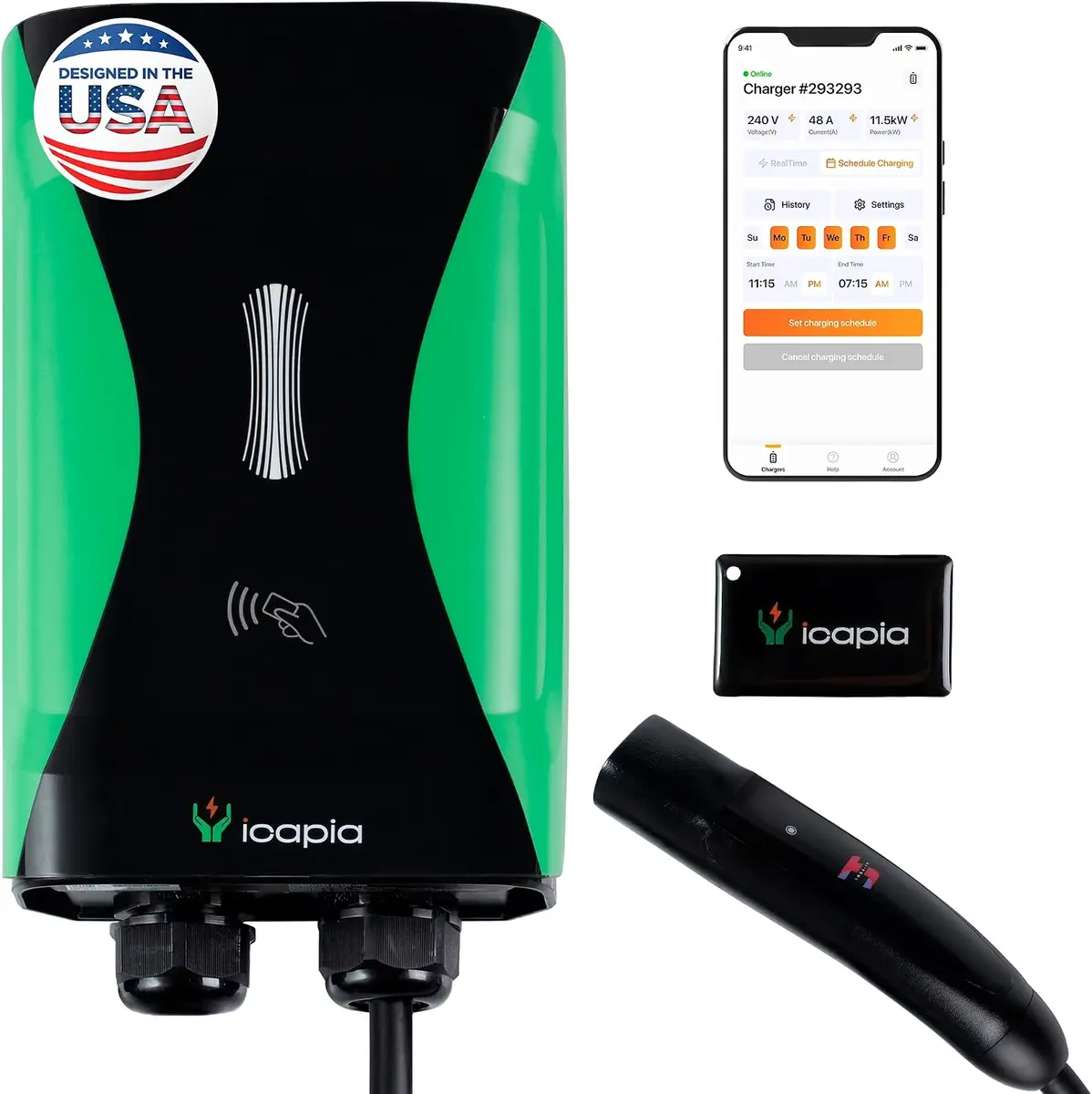
Most homeowners pay between $900 and $2,500 to install a Level 2 home charger. That total covers the charger, a licensed electrician, a 240-volt circuit and the permit.
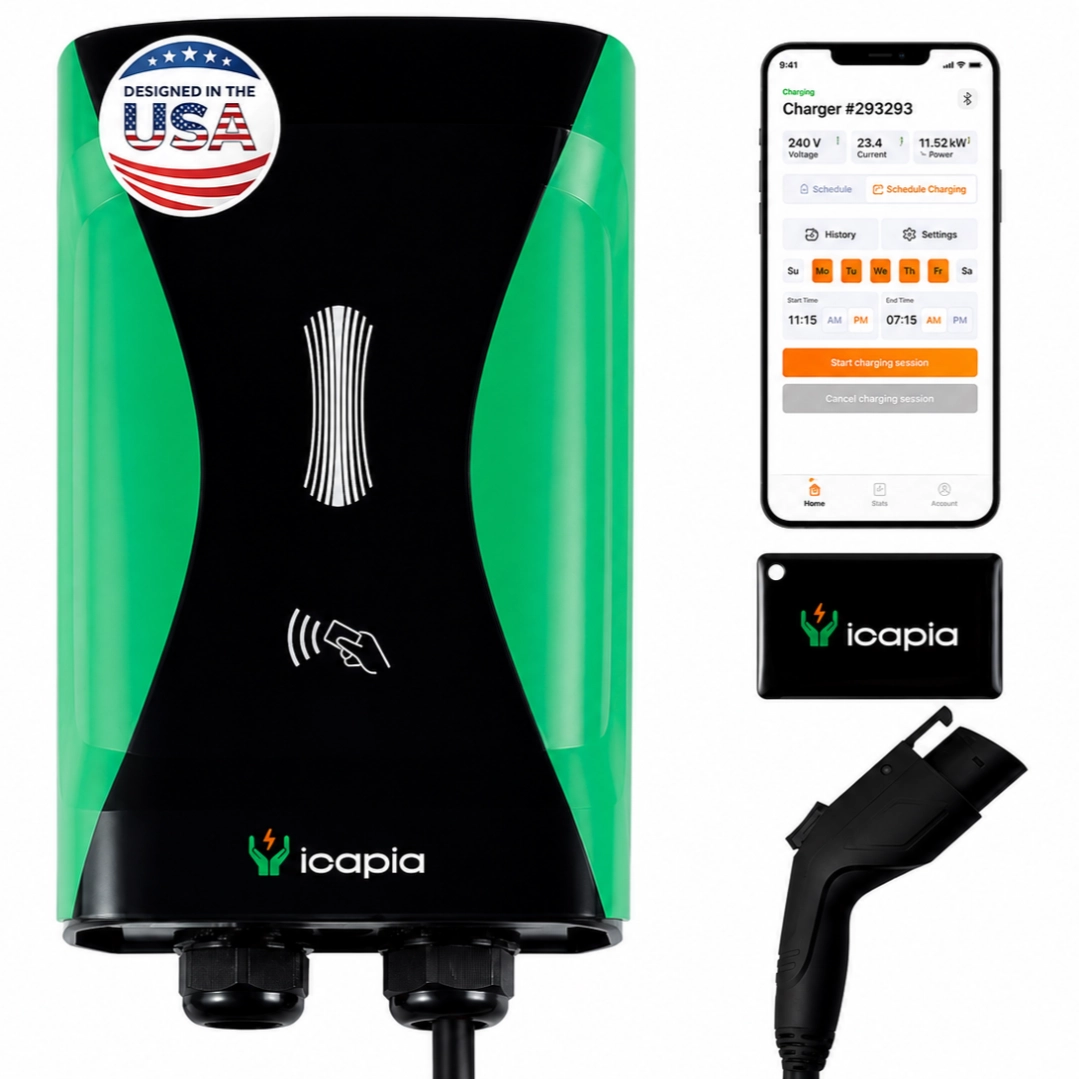
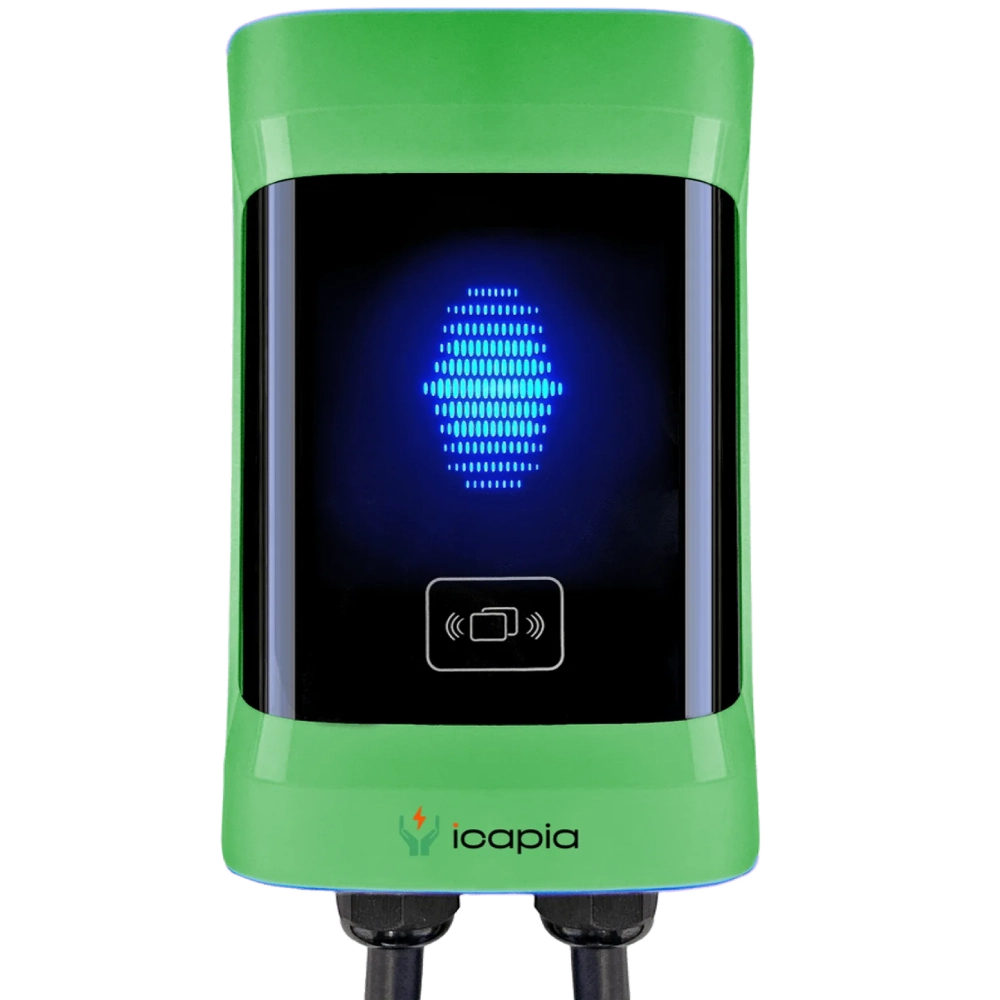
The biggest surprise cost is the electrical panel. If your panel has no spare capacity, an upgrade can add $500 to $2,000 or more. A charger with adjustable amperage, like the ICAPIA Sapphire PRO (hardware from $349.99), can sometimes run on a smaller circuit and avoid that upgrade.
Level 2 charging adds roughly 25 to 40 miles of range per hour, so most drivers start every morning with a full battery. See all residential charging options.
Commercial EV Charger Installation Cost (Level 2)
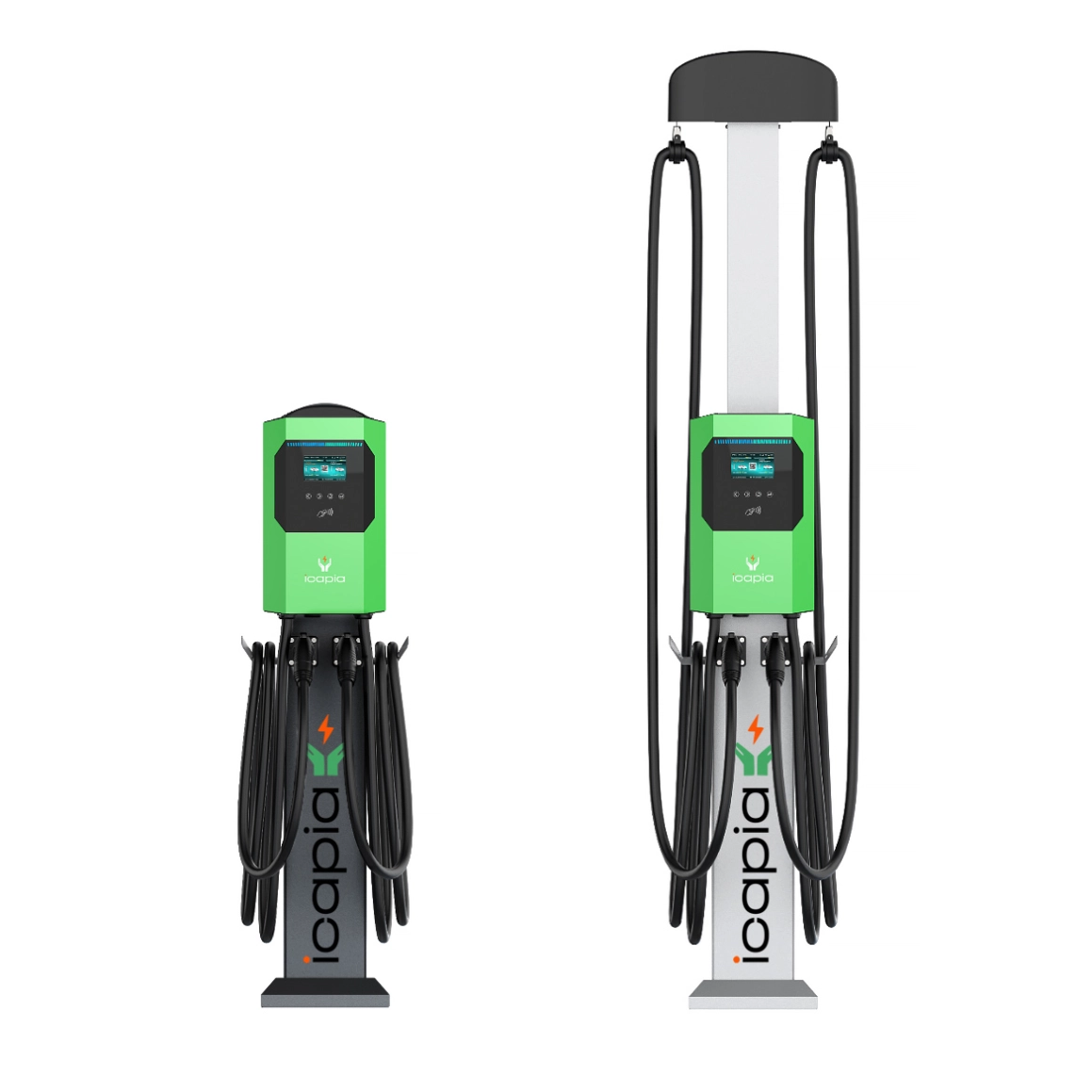
Commercial Level 2 charging typically costs $3,000 to $12,000 or more per port, installed. Apartments, hotels, offices and retail centers use this type, because drivers park for hours. ICAPIA’s Opal commercial Level 2 charger starts at $999.99 for the hardware.
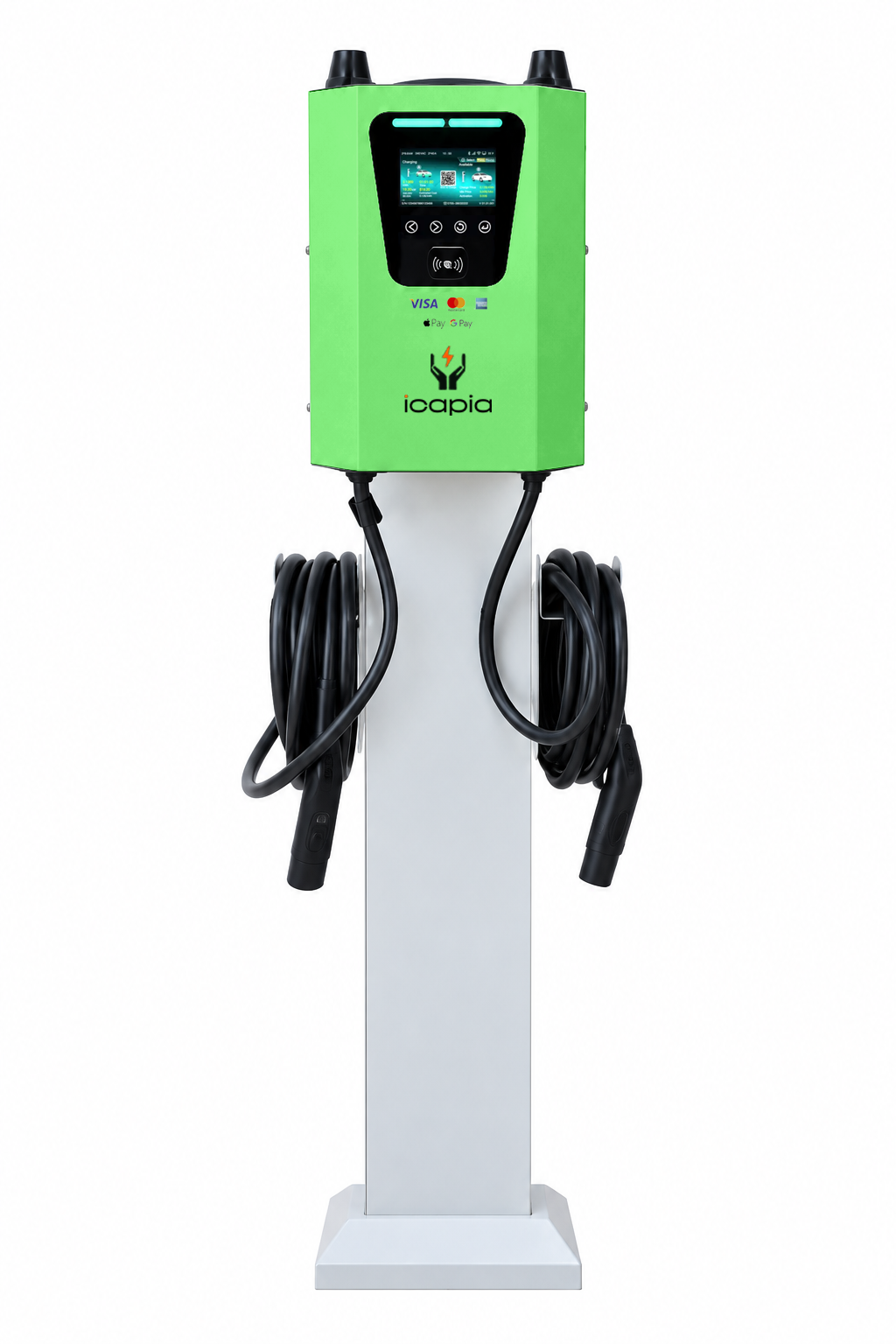
The per-port price drops when you install several chargers at once. The electrician, trenching and permit are shared across the whole project. Dual-port units such as the ICAPIA LS8080 serve two parking spaces from one pedestal, which also lowers the cost per space.
Commercial chargers also need software to control who can charge and what they pay. Plan for a network subscription in your budget.
Planning chargers for an apartment, hotel or workplace?
Installing several ports at once lowers your cost per space. Tell us about your site and we’ll recommend the right hardware and layout.
Request a Commercial QuoteSee Commercial SolutionsDC Fast Charger Installation Cost
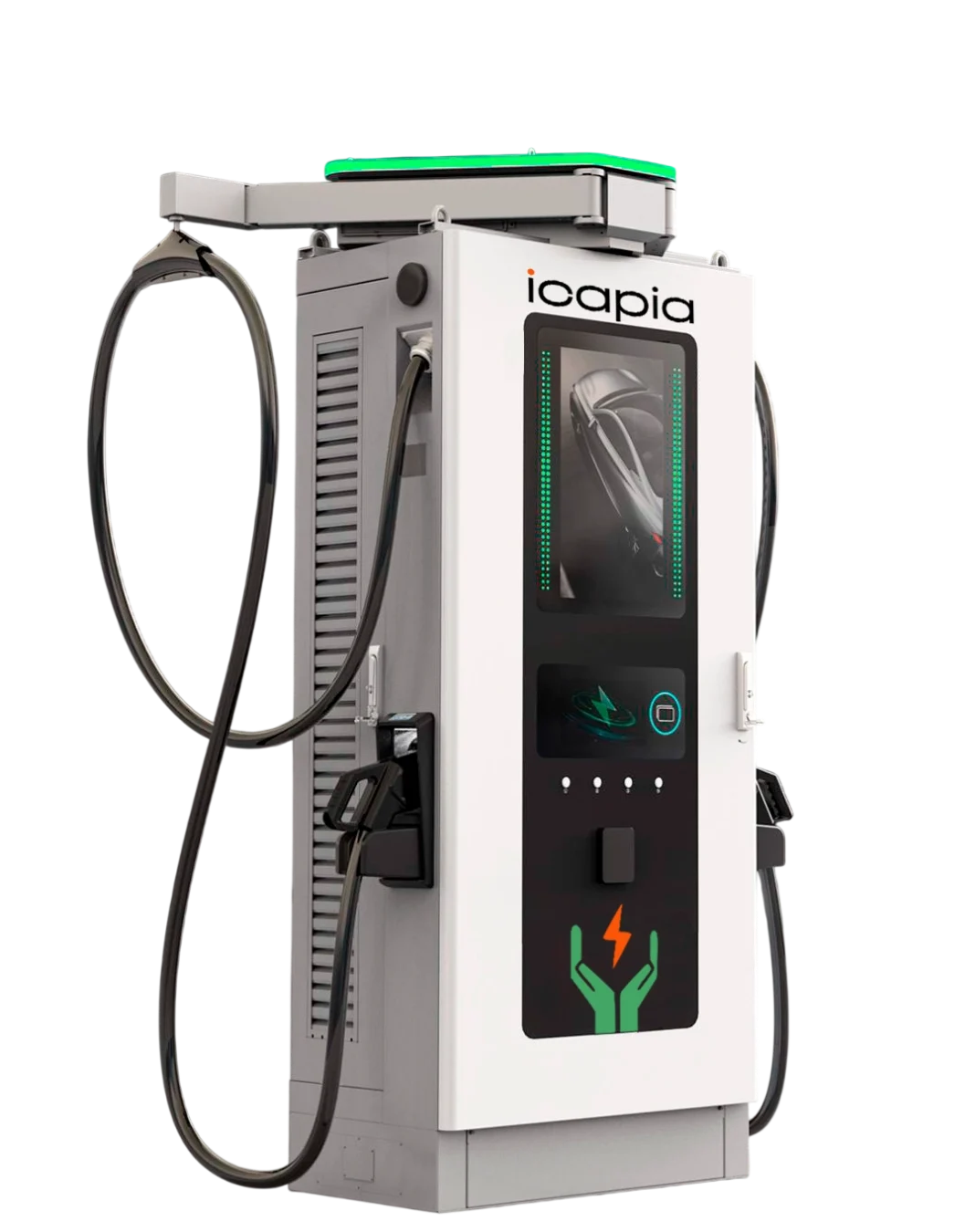
A DC fast charging site usually costs $80,000 to $250,000 or more. Larger public sites with several stalls can pass $1 million.
The hardware is only part of the bill. DC fast chargers need high-power, three-phase service, and many sites need a new transformer from the utility. Utility upgrades and grid connection wait times are often the largest cost and the longest delay.
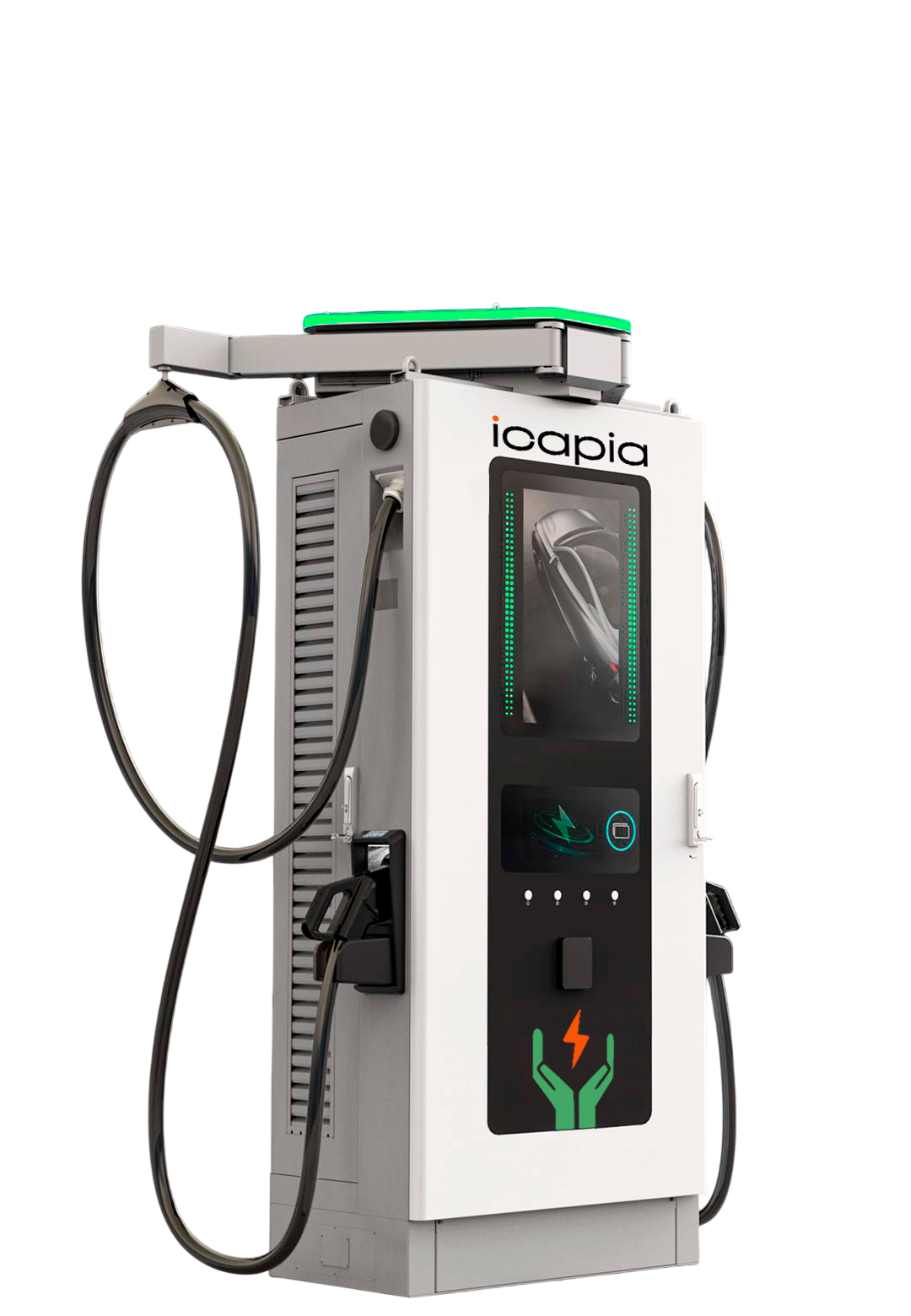
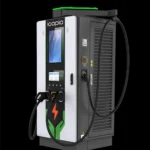
DC fast charging makes sense where drivers stop briefly: convenience stores, travel centers, fleet depots and highway corridors. ICAPIA’s DC FAST Series covers 60–180 kW, and the ICAPIA DC ULTRA Series covers 240–480 kW (240, 360 and 480 kW models) for high-traffic sites and highway corridors. Explore DC fast charging solutions.
This is also what most buyers mean by Level 3 charging station installation cost: the final price depends on power level, utility work and the number of chargers. ICAPIA is based in Torrance, California, and can prepare a site-specific quote for FAST Series and ULTRA Series projects.
6 Factors That Change Your EV Charger Installation Cost
- Charger type and power. Higher power means bigger wire, breakers and equipment.
- Distance from the panel. Every extra foot of wire or conduit adds labor and materials.
- Electrical capacity. No spare capacity means a panel or service upgrade.
- Trenching and concrete. Cutting through a parking lot costs far more than running wire along a garage wall.
- Permits and local labor rates. These vary widely by city and state.
- Future-proofing. Installing extra conduit now costs a little more, but makes adding chargers later much cheaper.
How to Lower EV Charger Costs After the 30C Tax Credit Ended
The federal 30C credit no longer applies to chargers placed in service after June 30, 2026. Funding has not disappeared, though. It has moved to other sources:
- Utility rebates. Many utilities still pay part of the hardware or installation cost, often with deadlines at year end.
- State programs. In California, the CALeVIP Fast Charge California Project pays up to $55,000 per port for DC fast chargers with 150–274 kW of guaranteed output per port, and up to $100,000 per port at 275 kW or more (applications October 7, 2026 – January 14, 2027). A dual-port ICAPIA DC ULTRA 360, with 180 kW on each port, can qualify for $110,000. The next window (February 24 – May 27, 2027) pays $55,000 per port for 150 kW or more. Funding is first-come, first-served. See our California incentives update.
- Carbon credits. Commercial sites can earn credits for the electricity they deliver to EVs.
- Paid charging. With charging station management software, you set prices and collect revenue on every session.
Not sure which rebates apply to you?
Our team checks current utility and state programs for your address as part of every quote.
Check My IncentivesSee All IncentivesChargers mentioned in this guide
★★★★★“Excellent product and outstanding customer service. The Sapphire EV charger has been working great.”
Kindle, Homeowner
★★★★★“Got an EV charger for home. So far so good… No issues at all.”
Chaibear, Homeowner

EV Charger Installation Cost FAQs
How much does it cost to install a Level 2 charger at home?
Most homeowners pay $900 to $2,500, including the charger and installation. A panel upgrade can add $500 to $2,000 or more.
How much does a commercial EV charging station cost?
Commercial Level 2 typically runs $3,000 to $12,000 or more per port installed. DC fast charging sites usually start around $80,000.
Is there still a federal tax credit for EV chargers?
No. The 30C credit ended for chargers placed in service after June 30, 2026. Utility rebates and state programs are still available in many areas.
Can a business make money from EV chargers?
Yes. With management software, you can charge drivers per kWh or per hour and recover your investment over time.
Get your free EV charging quote
Tell us a little about your project. An ICAPIA specialist will contact you with hardware options, a price and the incentives you qualify for.
Prefer to talk? Call (844) 442-2742 or find a certified installer.
1 thought on “How Much Does It Cost to Install an EV Charger in 2026?”
Comments are closed.