
EV Charging Incentives, Rebates & Funding
Reduce EV charging project costs by thousands of dollars! Federal tax credits, utility rebates, state programs, grants, and carbon credit opportunities can dramatically reduce the cost of EV charging infrastructure.
Speak With an Incentive Specialist
Explore Available Incentive Programs
Discover federal, state, and financial programs that can help reduce your EV charging project costs.
State & Regional Incentives
Find rebates, grants, and funding programs available in your state, region, or local utility territory.
Browse Incentive Programs →
Carbon Credits & Financial Benefits
Learn how EV charging infrastructure can create additional revenue opportunities and long-term financial value.
Explore Carbon Credits →Reduce Your EV Charging Project Costs by Thousands
Installing EV charging infrastructure does not have to be a major upfront expense.
Available Funding Opportunities:
- Federal EV Charging Tax Credits
- State & Regional Rebates
- Utility Incentive Programs
- Carbon Credit Opportunities
Whether you are planning workplace charging, fleet infrastructure, commercial EV stations, or public charging projects, ICAPIA helps you identify available funding opportunities and maximize your savings.
Check Available Incentives
How Much Could Your EV Charging Project Save?
Discover Available Incentives Before You Invest
Every EV charging project is different. Available savings depend on your location, charger type, project size, and installation requirements.
Our incentive assessment helps identify potential:
- Federal tax credits
- State rebates
- Utility incentives
- Available grants
- Estimated project savings
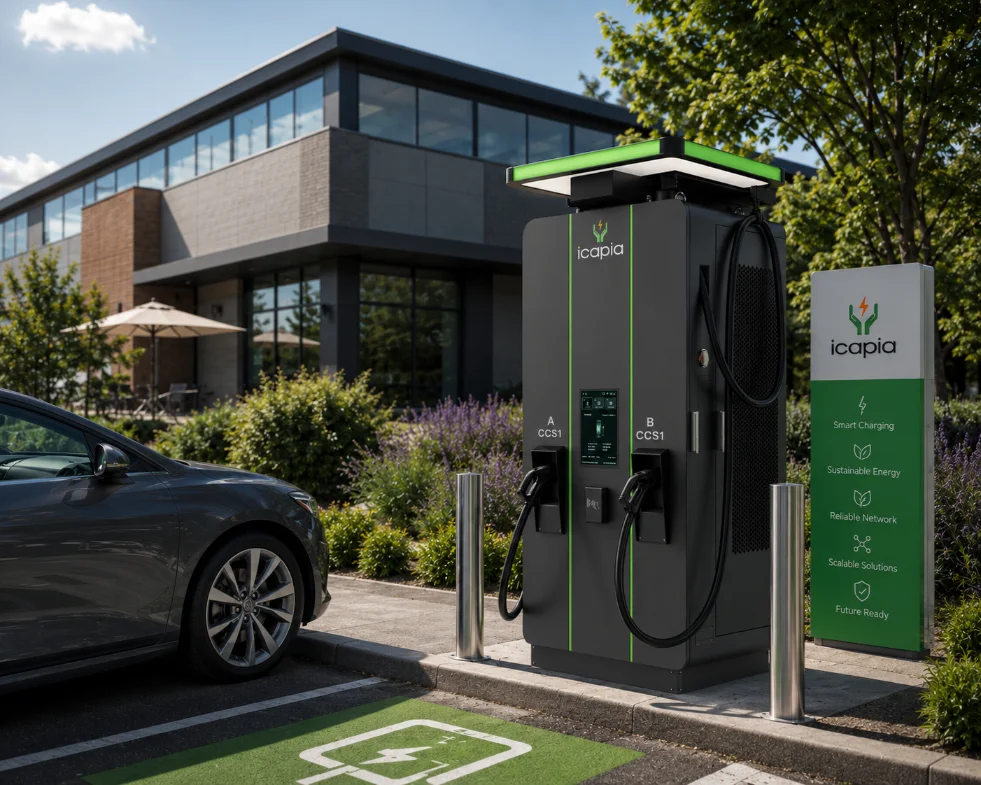

Understanding EV Charging Incentives
Multiple programs can help reduce installation costs. EV charging incentives typically come from four major sources.
Federal EV Charging Tax Credits
Federal programs can reduce eligible EV charging installation costs through tax credits. Businesses may qualify for significant savings on charging equipment and installation expenses, while homeowners may also qualify for residential charger incentives.
State EV Charging Rebates
Many states offer rebates, grants, and funding programs designed to accelerate EV adoption. Programs may support commercial charging stations, fleet electrification, workplace charging, multifamily properties, and public infrastructure.
Utility EV Charger Rebates
Electric utilities often provide financial support for EV charging through programs that include charger rebates, electrical upgrade assistance, make-ready infrastructure funding, and special charging rates designed to reduce installation costs and improve charging affordability.
Carbon Credit Opportunities
EV charging infrastructure can create additional financial value through carbon reduction programs. Depending on location and charging activity, businesses may generate additional revenue opportunities while supporting sustainability goals.
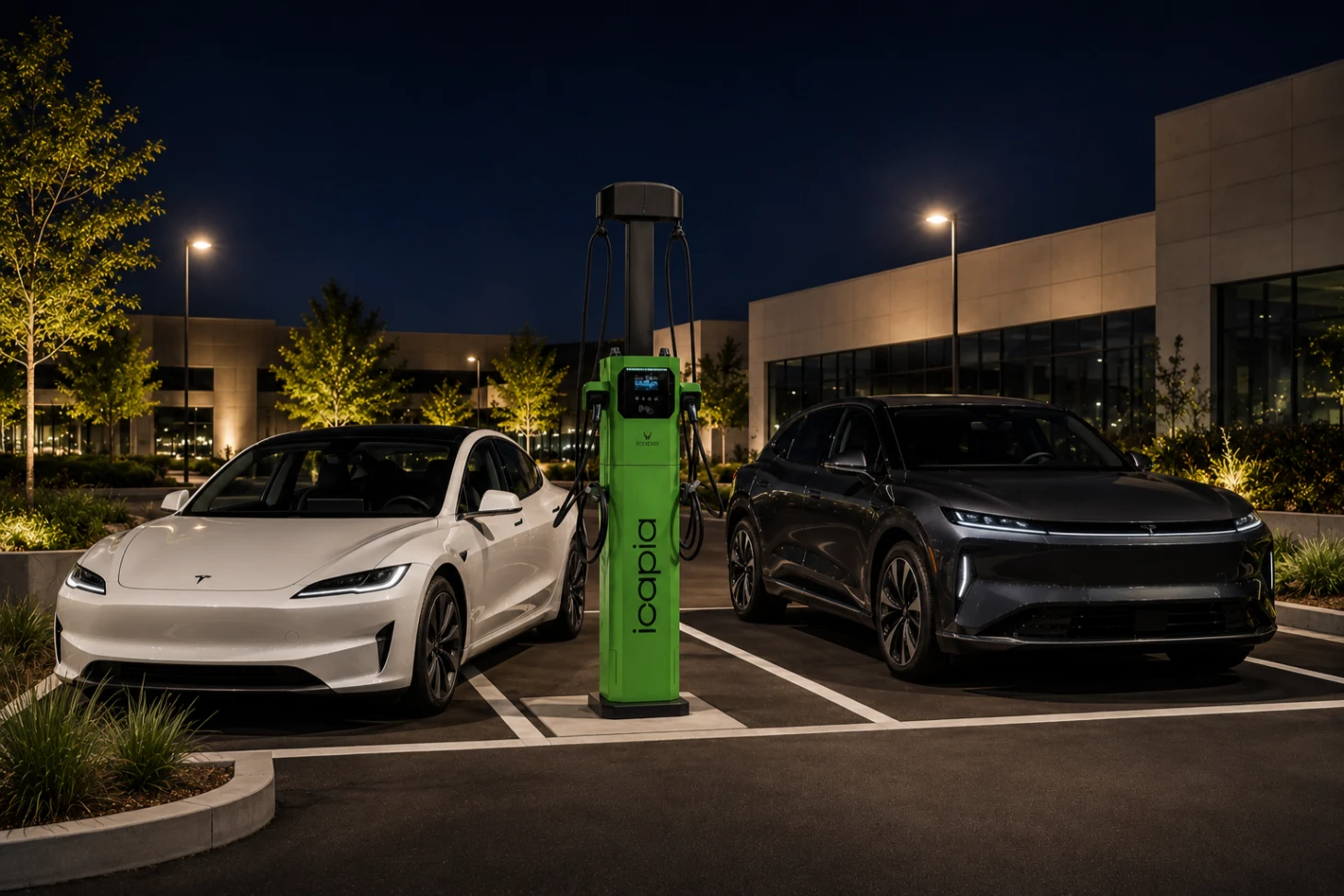
Beyond Rebates: Long-Term Financial Benefits
The right EV charging strategy can create long-term financial benefits through:
Lower Operating Costs
Reduce fuel expenses and improve fleet efficiency with EV charging incentive programs.
Additional Revenue Opportunities
Generate income through charging services and potential carbon programs.
Increased Property Value
EV-ready properties can become more attractive to tenants, customers, and employees.
Sustainability Benefits
EV charging incentive programs support corporate ESG goals and emissions reduction targets.
Lower Your Installation Costs
Federal EV Charging Tax Credits
The federal Alternative Fuel Vehicle Refueling Property Credit can help reduce the cost of eligible EV charging installations. Eligible projects may receive:
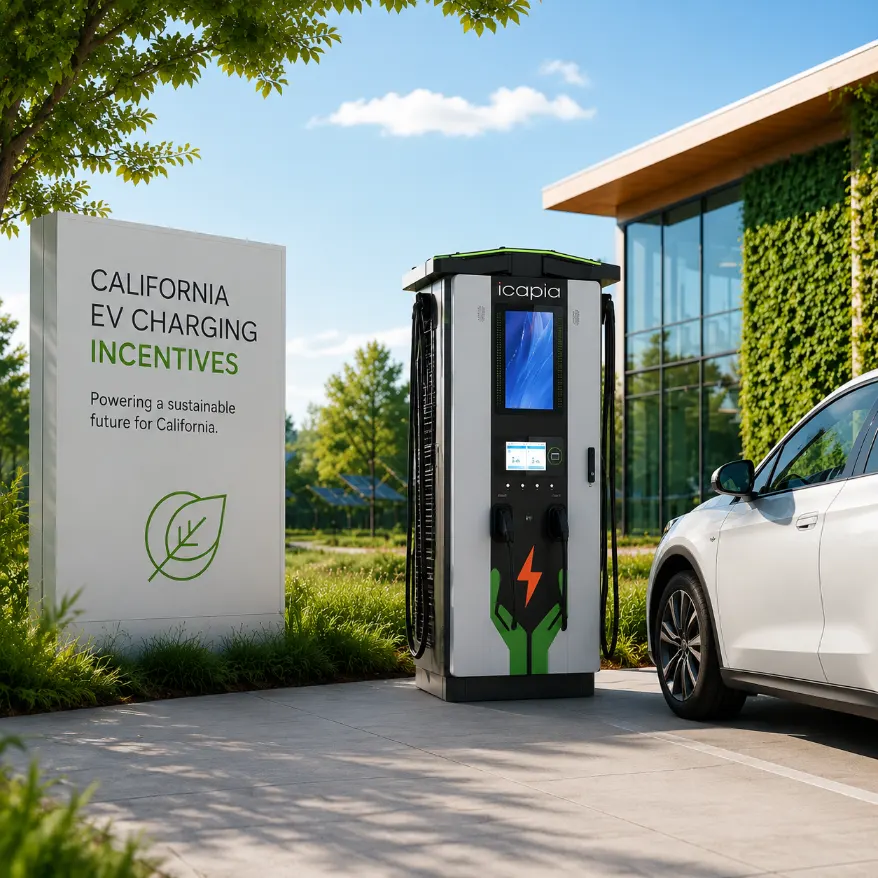
California EV Charging Incentives
Maximize California EV Infrastructure Funding Opportunities
California offers some of the most extensive EV charging incentive programs in the country. Businesses and organizations may qualify for funding through programs supporting:
Commercial charging stations
Workplace charging
Fleet electrification
Multifamily properties
Programs such as CALeVIP and utility incentive programs can significantly reduce installation costs.
View regional IncentivesTalk to our EV Incentive Experts today
ICAPIA is your one-stop partner for commercial EV charging solutions. Contact us today for a free quote!
Why Incentives Matter to Project ROI
Available incentives can dramatically improve your EV charging investment outcomes.
- × Higher upfront costs
- × Longer payback period
- × Increased financial risk
- × More difficult budget approval
- ✓ Lower upfront costs
- ✓ Faster payback period
- ✓ Improved ROI
- ✓ Easier budget approval
How ICAPIA Helps Maximize Your EV Charging Incentives
We help you find funding opportunities before you build. Navigating EV charging incentives can be complicated. Programs change frequently, requirements vary by location, and missing deadlines can mean missing valuable savings. ICAPIA supports your project with:
Incentive Identification
Find available federal, state, and utility programs.
Eligibility Review
Understand which incentives apply to your project.
Application Guidance
Navigate documentation and funding requirements.
Charging Strategy Planning
Design a solution optimized for cost and long-term value.
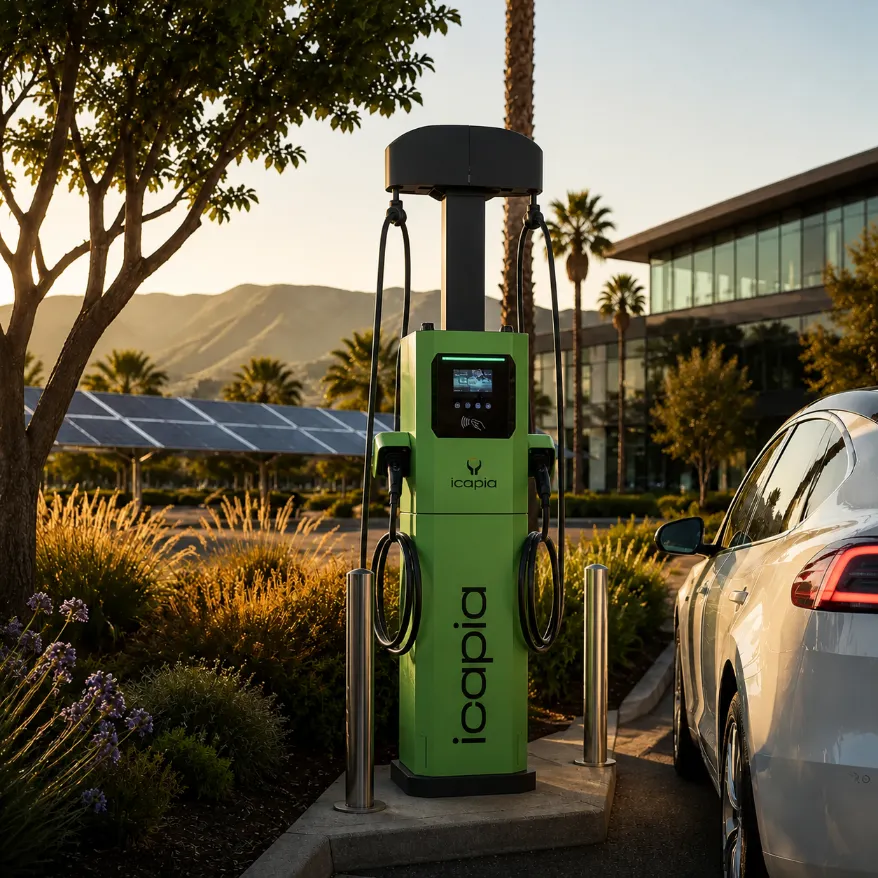
LET’S BUILD THE FUTURE OF EV CHARGING
Find Out How Much Your EV Charging Project Could Save
Don’t leave valuable funding opportunities on the table.
ICAPIA helps businesses identify available rebates, tax credits, grants, and financial programs that can reduce EV charging installation costs and improve project ROI.
Frequently Asked Questions
Understanding EV charging incentives can be complex, with different programs, eligibility requirements, and funding opportunities available at the federal, state, and utility levels. Below, we answer the most common questions about EV charging tax credits, rebates, grants, and funding programs to help you better understand your options and identify opportunities to reduce your project costs.
Available incentives may include federal tax credits, state rebates, utility programs, grants, and carbon credit opportunities.
The federal EV charging tax credit helps reduce eligible installation costs for qualified residential and commercial charging projects.
Yes. Many projects combine federal credits, state programs, and utility incentives to maximize savings.
Yes. California offers multiple EV charging incentive programs, including rebates and infrastructure funding opportunities.
Yes. ICAPIA helps businesses identify eligible programs and navigate the incentive process.