
Carbon Credits & Financial Benefits
Beyond tax credits and rebates, EV charging infrastructure can create ongoing financial benefits through charging revenue, carbon credit programs, LCFS incentives, operational savings, and long-term asset value growth.
Speak With a Benefits Specialist
Understanding EV Charging Carbon Credits
What Are Carbon Credits?
A carbon credit represents one metric ton of greenhouse gas emissions reduced or avoided.
When electric vehicles replace gasoline and diesel vehicles, transportation emissions decrease. In eligible markets, that environmental impact can be converted into tradable credits.
For EV charging operators, this creates a potential financial opportunity from the electricity delivered through charging stations.
Contact us today
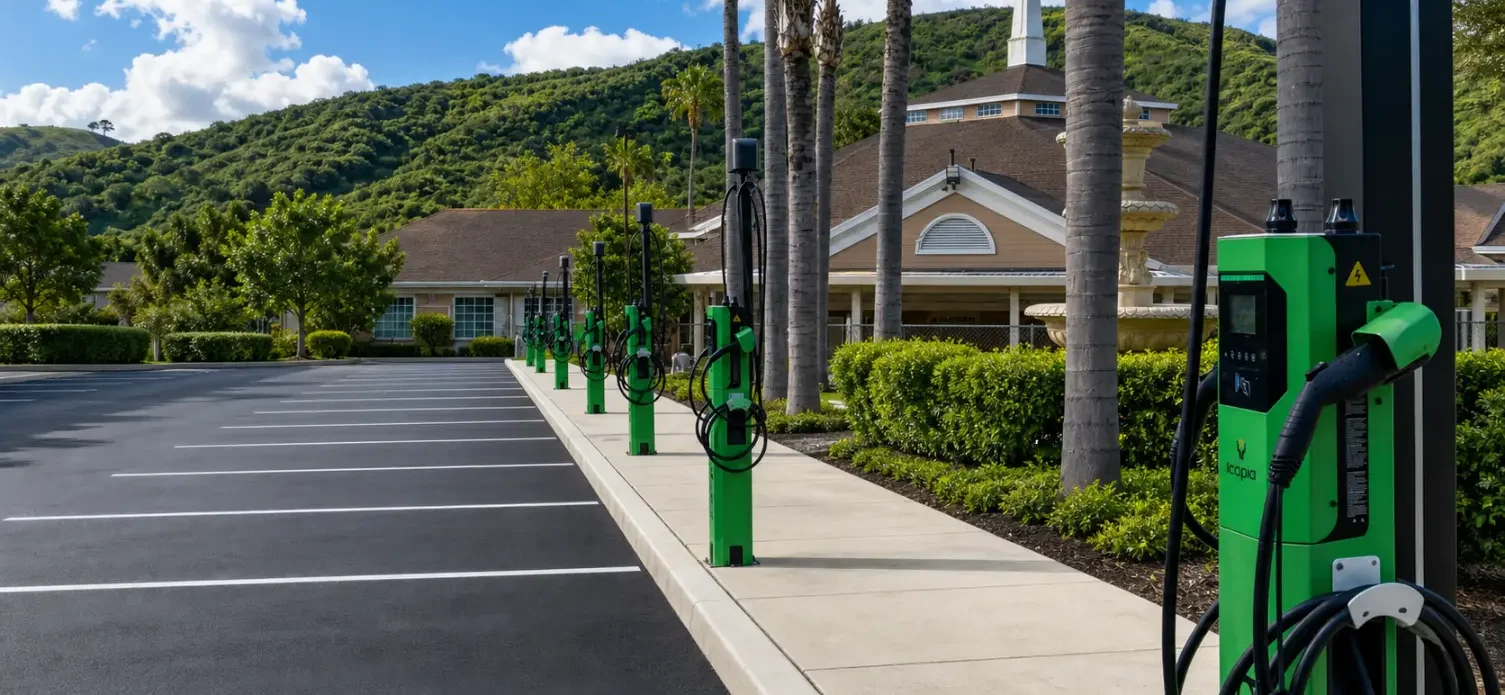
How EV Charging Generates Carbon Credits
Programs such as California’s Low Carbon Fuel Standard (LCFS) reward projects that reduce transportation carbon intensity. The process is simple:
1- Vehicles Charge Using Electricity
Every charging session creates measurable energy usage data.
2- Emissions Are Reduced
EV charging replaces higher-carbon transportation fuels like gasoline and diesel.
3- Credits Are Generated
Eligible charging projects can receive credits based on verified emissions reductions.
4- Credits Can Create Revenue
Credits may be sold through approved compliance or voluntary carbon markets.
California LCFS Credits
A Major Opportunity for EV Charging Projects
California’s Low Carbon Fuel Standard (LCFS) is one of the most established carbon credit programs supporting EV charging. Through LCFS, eligible charging projects can generate credits by demonstrating that electric vehicles are replacing fossil fuel consumption.
Eligible Projects May Include:
- Commercial charging locations
- Fleet charging facilities
- Multifamily charging projects
- Workplace charging
- Public charging networks
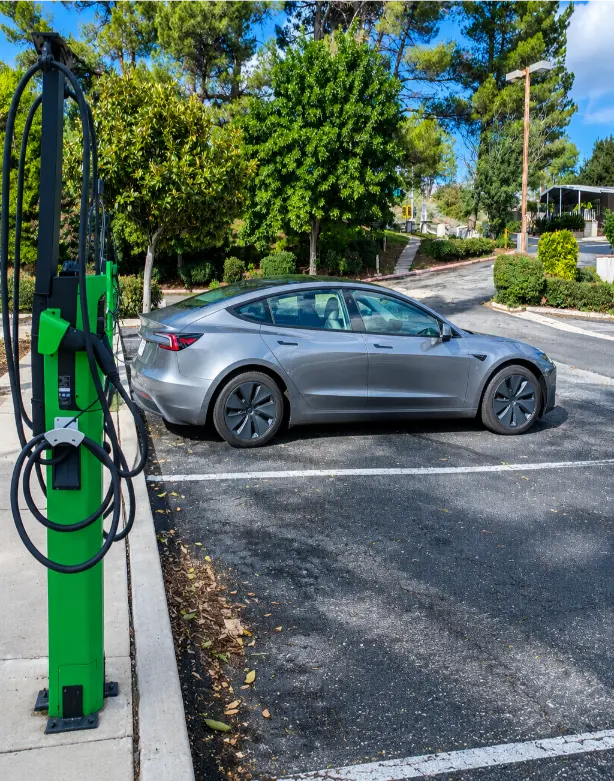
How EV Charging Improves Project ROI
EV charging infrastructure can transform from a project expense into a long-term financial asset.
Traditional Project ROI
- Higher upfront costs
- Limited revenue streams
- Longer payback periods
- Lower competitive advantage
Optimized Project ROI
- Reduced net project costs
- New revenue streams
- Faster payback periods
- Increased property value
- Long-term competitive edge
Excellent product and outstanding customer service. The Sapphire EV charger has been working great, and I really appreciate the extra RFID cards included in the package. That was a thoughtful touch and shows that this company truly cares about its customers.
Kindle
Fantastic product but even better service. I was having a couple of issues and called the support line and immediately got through to a very knowledgeable person who took the time needed to help me get the system set up. The issue I was having had NOTHING to do with the charger and everything to do with a wifi range limitation I have on my end. Regardless of the issue they helped me get sorted out and I’m up and charging. I’m very satisfied and will be buying two more for our rental properties.
Slosh
Got an EV charger for home. So far so good. Bought an EV last month, decided to buy a level 2 charger. Bought this one for the hardwire option. Decided not to hardwire it and just plugged it up. No issues at all.
chaibear
We spoke with a few EV charging companies before deciding to work with ICAPIA, and from the first conversation it just felt different. Their team was easy to work with, explained everything clearly without trying to oversell us, and helped us find the right solution for our property. The installation went exactly as planned, and we’ve had no issues with the chargers since they went live.
Kate
Financial Benefits by Project Type
ICAPIA builds business charging stations for many industries.
Commercial Properties
EV chargers can:
✓ Attract customers and employees
✓ Increase property competitiveness
✓ Create new revenue opportunities
✓ Support sustainability goals
Multifamily Communities
Charging infrastructure can:
✓ Increase tenant satisfaction
✓ Support premium amenities
✓ Improve property value
✓ Generate additional income
Fleet Operations
EV charging can help fleets:
✓ Reduce fuel costs
✓ Improve operational efficiency
✓ Access incentive programs
✓ Create potential carbon credit opportunities
Retail & Hospitality Properties
Charging stations can:
✓ Increase customer dwell time
✓ Create additional revenue
✓ Improve brand reputation
✓ Support ESG initiatives
Why Utilities and States Support Carbon Programs
Many states and utilities want to increase EV adoption while reducing emissions. Supporting charging infrastructure helps reach those goals, so incentive and credit programs continue to expand.
Who Can Participate?
Eligibility depends on the program. Projects may include:
- Commercial properties
- Fleet operators
- Multifamily housing
- Public charging sites
- Government agencies
- Workplace charging
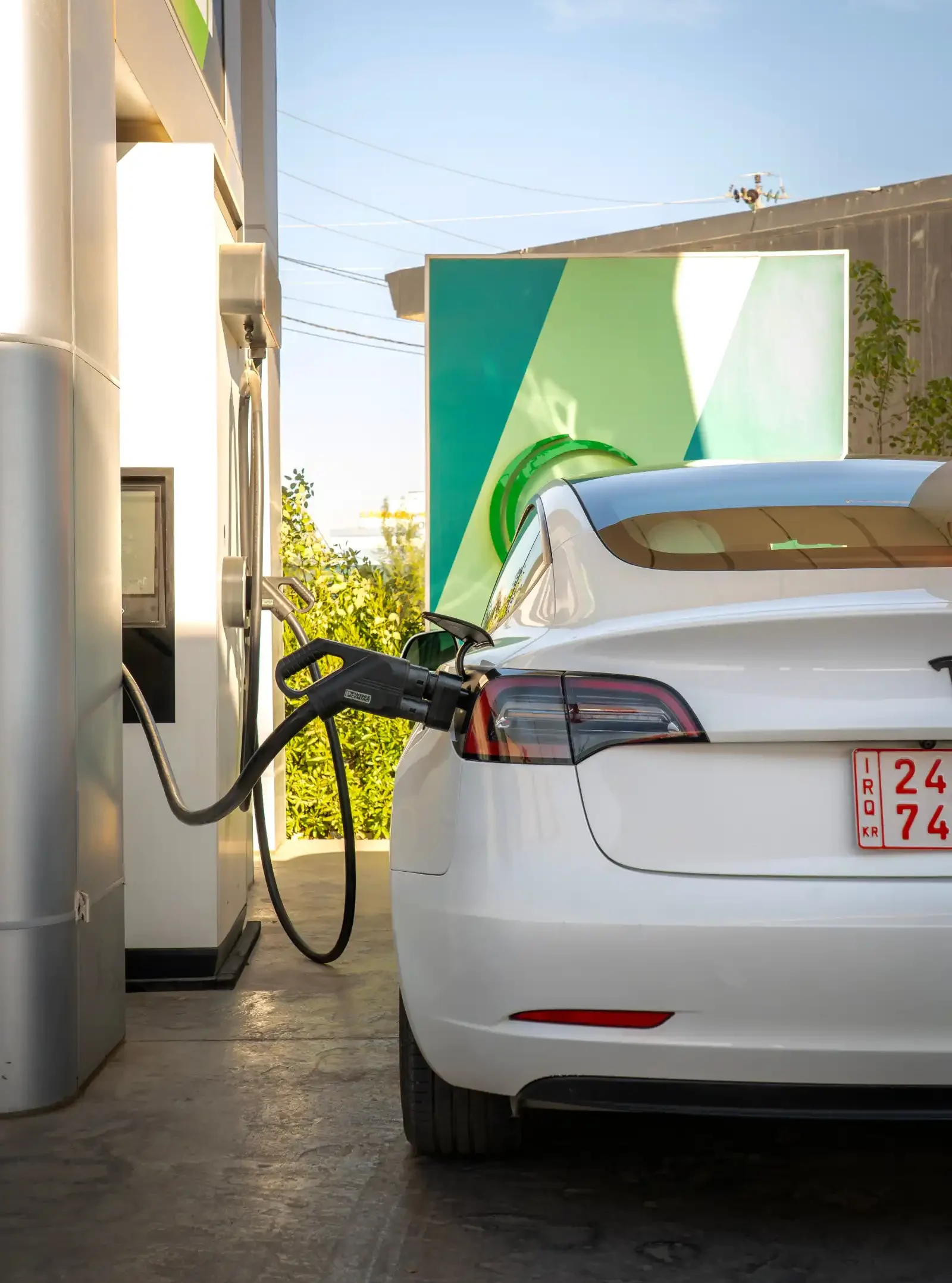
Talk to our EV Incentive Experts today
ICAPIA is your one-stop partner for commercial EV charging solutions. Contact us today for a free quote!

Revenue Opportunities Beyond Carbon Credits
Carbon credits are only one part of the financial picture. Smart EV charging infrastructure can create additional revenue streams.
Revenue Opportunities Beyond Carbon Credits
Revenue models include:
Usage-Based Pricing
Charge customers based on electricity consumption or charging time.
Membership Programs
Create recurring revenue through subscription charging plans.
Public Charging Fees
Monetize charging stations at retail, hospitality, and commercial locations.
Fleet Charging Agreements
Develop predictable revenue through fleet partnerships.
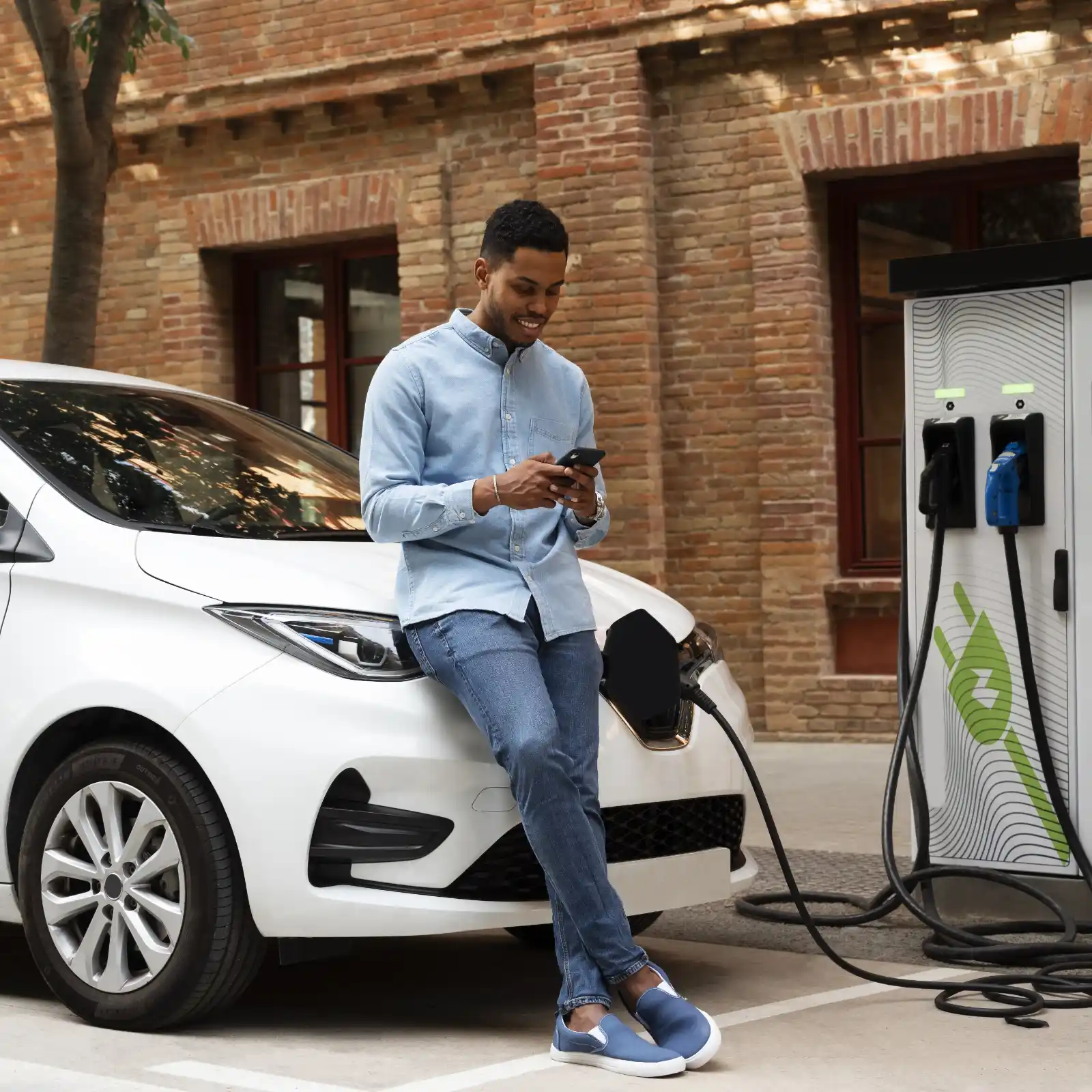
LET’S BUILD THE FUTURE OF EV CHARGING
Discover the Full Financial Potential of Your EV Charging Project
Your EV charging infrastructure may qualify for incentives, carbon credit opportunities, and ongoing revenue streams that improve long-term ROI.
ICAPIA helps you identify the financial opportunities available for your project and build a strategy designed for maximum return.
Frequently Asked Questions
From carbon credits and LCFS programs to charging revenue and incentives, understanding the financial side of EV infrastructure is essential. Explore answers to common questions and discover how ICAPIA helps businesses maximize the value of their EV charging investment.
EV charging carbon credits are financial credits generated from reducing transportation emissions by replacing gasoline and diesel vehicles with electric vehicles.
The California Low Carbon Fuel Standard (LCFS) is a clean fuel program that rewards eligible projects for reducing transportation carbon emissions. EV charging providers can generate credits based on charging activity.
Yes. Commercial properties with eligible EV charging infrastructure may participate in carbon credit programs depending on location, charging activity, and program requirements.
Revenue depends on location, charging volume, credit market prices, and program eligibility. Some EV charging credits have historically traded in markets ranging from tens to over $100 per ton depending on conditions.
Yes. Many EV charging projects combine incentives, rebates, and carbon programs to improve overall project economics.