
Public Infrastructure & Transit Hubs
Deploy reliable public EV charging infrastructure for municipalities, transit agencies, airports, transportation authorities, and government organizations. We offer complete DC Fast Charging solutions designed for long-term community impact.
Request a Free Quote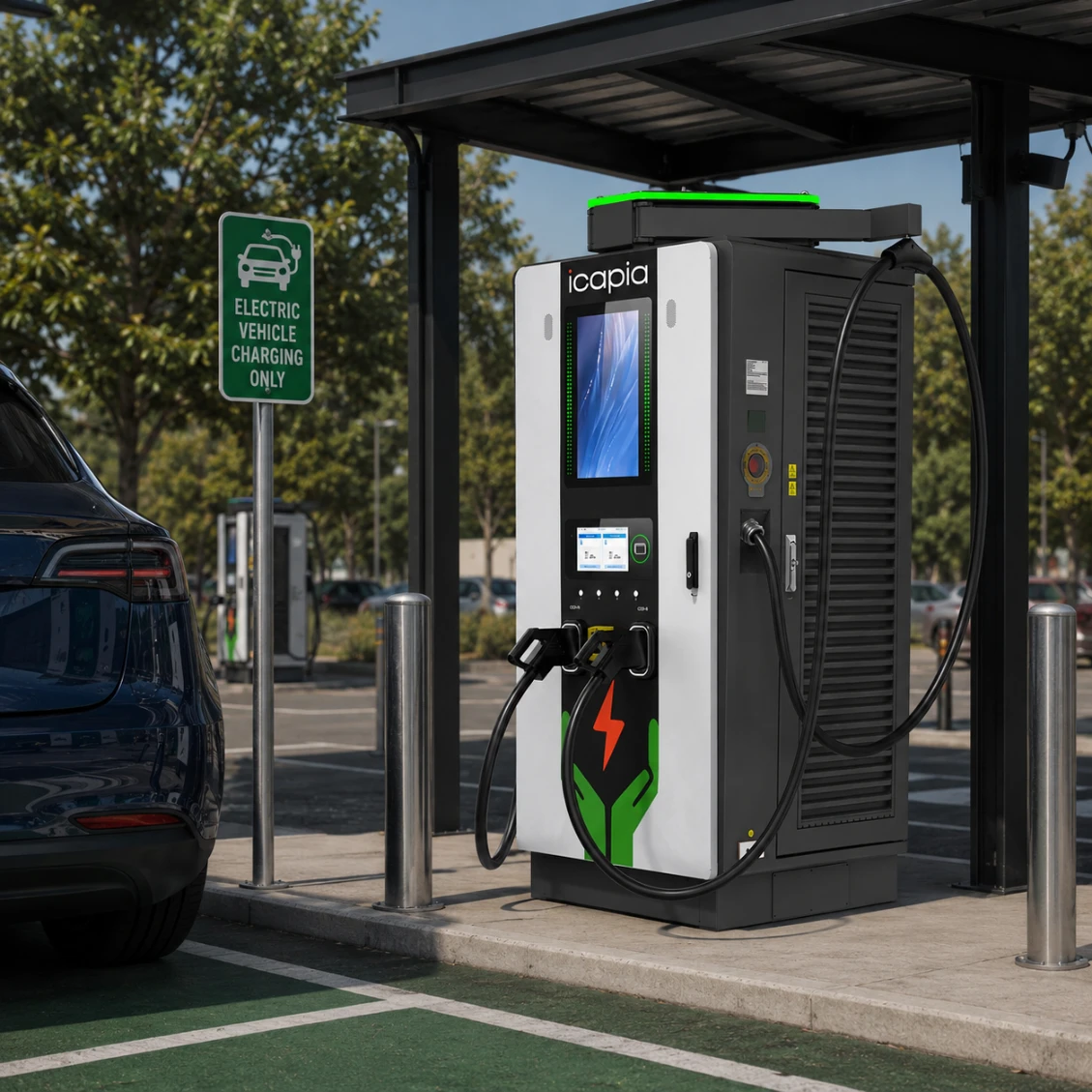
Powering the Future of Public Transportation
Reliable public charging is now as critical as roads and utilities. Based in Torrance, CA, ICAPIA provides end-to-end municipal EV charging solutions—from planning to long-term maintenance—for cities, airports, schools, and public fleets across California. We help you design scalable networks that support daily travel and future community growth.
Our DC Fast Charging solutions help communities:
- Expand access to reliable public charging stations
- Support growing EV adoption
- Improve transportation access
- Reduce emissions
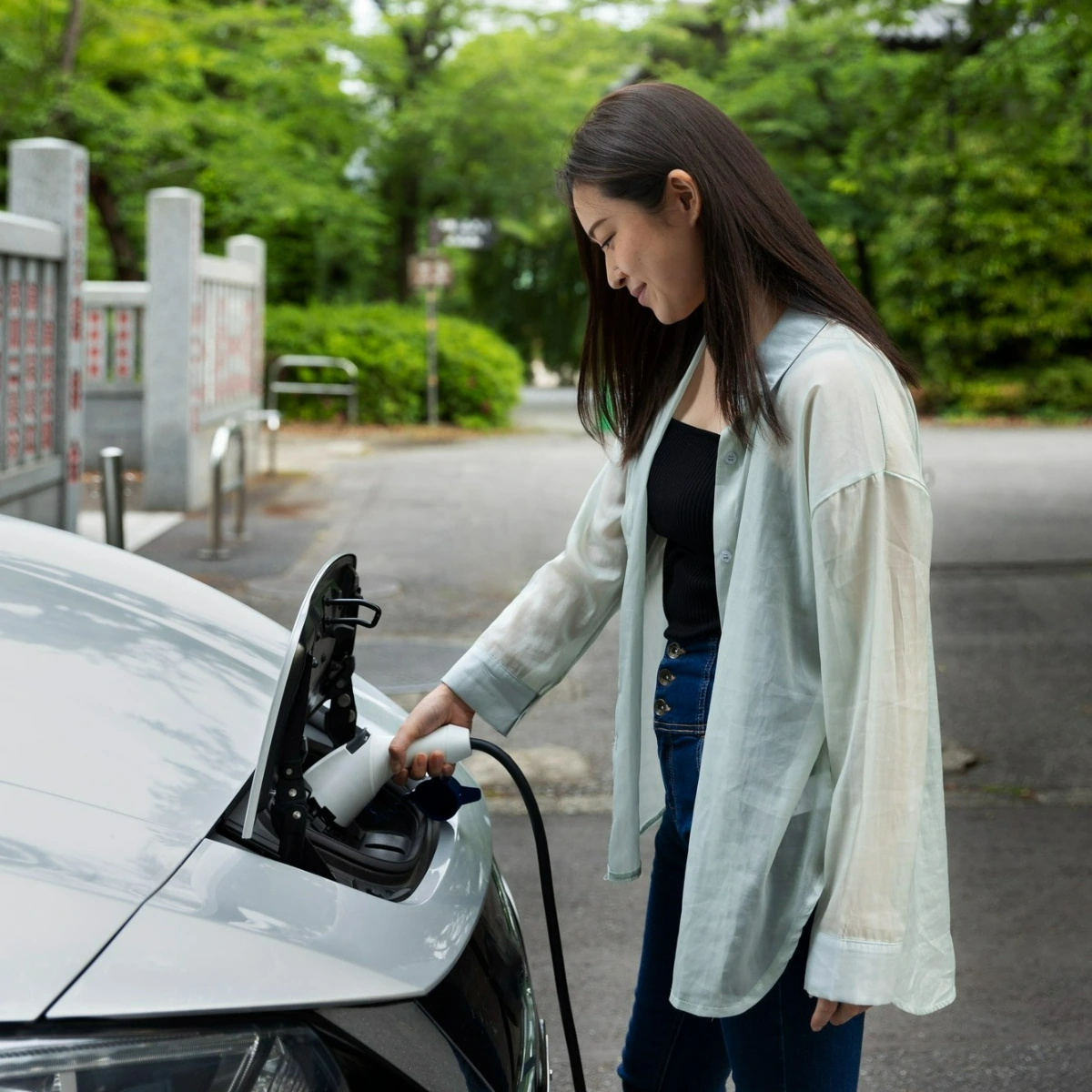

Designed for Long-Term Community Growth
Public transportation needs will continue changing. Communities that plan ahead can create charging networks that grow with demand instead of replacing systems later. ICAPIA builds municipal EV charging solutions with future needs in mind.
Scalable Infrastructure Planning
Charging demand may look different five years from now than it does today. We design systems that allow agencies to add more chargers, expand parking areas, and increase capacity when needed.
Future Charging Demand Forecasting
Understanding future demand helps public agencies make smarter choices. ICAPIA studies traffic patterns, population growth, EV adoption trends, and transportation needs to support long-term planning.
OCPP-Compliant Technology
Open Charge Point Protocol (OCPP) support allows charging stations to work with different network platforms. This gives agencies more flexibility and reduces dependence on one provider.
Flexible Hardware Deployment
Different locations require different solutions. A downtown parking garage, airport, and transit center may need different charging speeds, layouts, and access options. ICAPIA designs systems around each site’s unique purpose.
Public Infrastructure Deployment Process
Building successful public EV charging infrastructure requires more than installing charging equipment. Every location has different needs, challenges, and goals. ICAPIA uses a complete project lifecycle that guides public agencies from early planning to long-term operation.
Needs Assessment
Every project begins by understanding the community. We review transportation patterns, current EV adoption, public needs, parking availability, and future growth plans.
This step helps determine where charging will create the most value. A well-planned site can serve more drivers, improve access, and support local transportation goals.
Feasibility & Planning
Before installation begins, ICAPIA evaluates important project factors, including, electrical capacity, site conditions, expected charging demand, user access needs, construction requirements, and future expansion options. This planning stage helps agencies avoid costly changes later and creates a clear path toward successful deployment.
Engineering & Design
Each charging project requires careful design. Our team develops solutions that match the location, power needs, safety requirements, and public use expectations.
Design planning includes: Charger placement, Electrical system design, Parking layout, User flow, Accessibility, requirements, Network setup.
Funding & Grants
Many government charging projects rely on grants and incentive programs. ICAPIA helps agencies organize technical information, understand funding requirements, and prepare projects that align with available programs.
Feasibility & Planning
Installation & Commissioning
Once approvals are complete, ICAPIA manages installation and system setup. Our team ensures equipment is installed correctly, tested properly, and ready for public use.
Operations & Maintenance
Charging infrastructure needs ongoing care after installation. ICAPIA provides support that helps agencies maintain reliable service over the life of the system.
Hardware, Software & Services Under One Roof
A charging network works best when equipment, software, and support systems work together.
ICAPIA provides:
- Maintenance support
- DC Fast Charging systems
- Charging management software
- Installation services
- Network monitoring
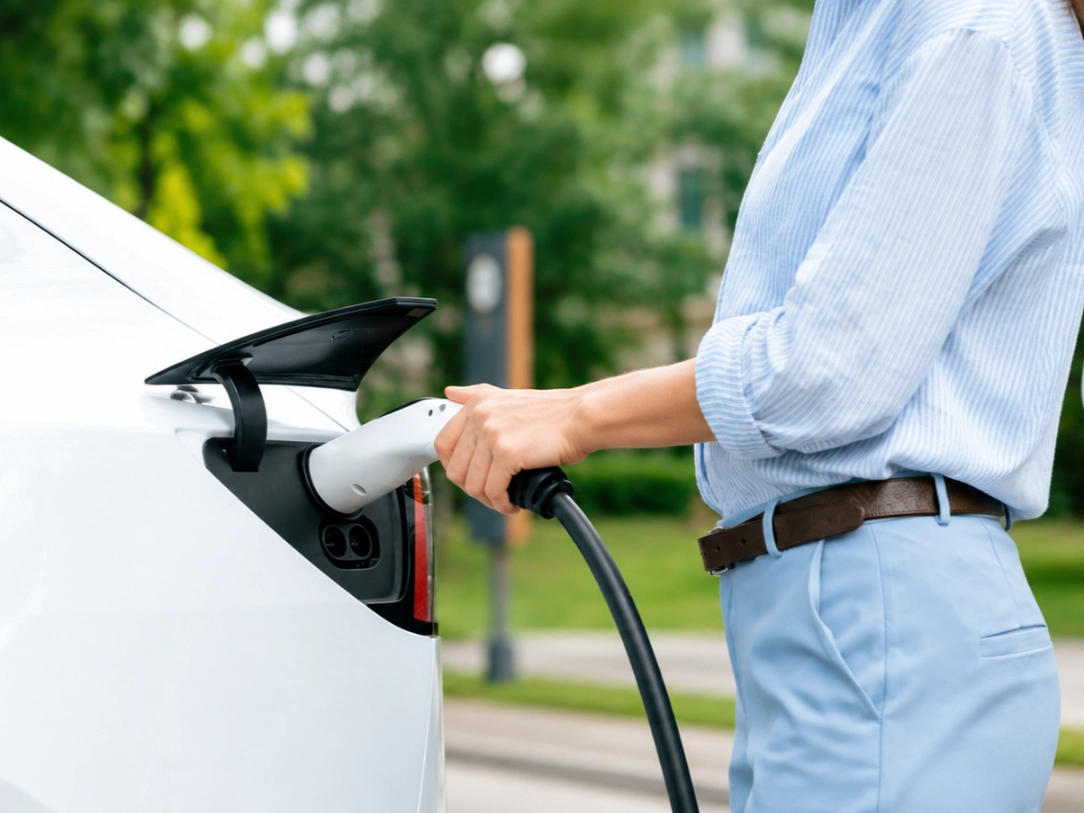
“Fantastic product but even better service. I was having a couple of issues and called the support line and immediately got through to a very knowledgeable person who took the time needed to help me get the system set up. I’m very satisfied and will be buying two more for our rental properties.”
Slosh, Homeowner
Public Charging Infrastructure Creates Community Impact
Public charging benefits far more than EV drivers. It supports businesses, visitors, commuters, and local governments while helping communities prepare for long-term growth.
Support Community EV Adoption
Easy access to public charging stations gives residents more confidence to choose electric vehicles. Visitors also benefit when charging is available at parks, shopping districts, civic centers, and transportation hubs.
Improve Transportation Accessibility
Well-planned transit charging locations make charging available where people already travel every day. This improves access across neighborhoods and creates more equal transportation options.
Advance Sustainability Goals
Many cities have climate plans that include reducing transportation emissions. A reliable public EV charging infrastructure supports those goals while helping agencies meet state and local clean energy targets.
Strengthen Economic Development
Charging attracts visitors, supports local businesses, and makes communities more attractive to employers and investors. Modern infrastructure also increases the value of commercial districts and public facilities.
Creating a Connected Charging Network
Successful charging infrastructure starts with planning. The goal is not simply adding chargers. It is creating a connected network that serves an entire community.
Strategic Site Selection
The right location improves charger use, reduces wait times, and increases community value. ICAPIA studies traffic flow, nearby destinations, parking habits, electrical service, and future development before recommending installation sites.
Contact us now

Network Coverage Planning
One charging site cannot meet every need. Communities benefit from multiple charging locations that reduce travel distance and eliminate charging gaps. A balanced public charging network makes charging available where people live, work, shop, and travel.
Scalability and Future Expansion
Demand will continue growing. Charging infrastructure should allow new stations to be added without rebuilding the entire electrical system. ICAPIA plans every project with future growth in mind.
Talk to our Public Infrastructure Experts today
ICAPIA is your one-stop partner for commercial EV charging solutions. Contact us today for a free quote!
Smart Network Management for Public Charging
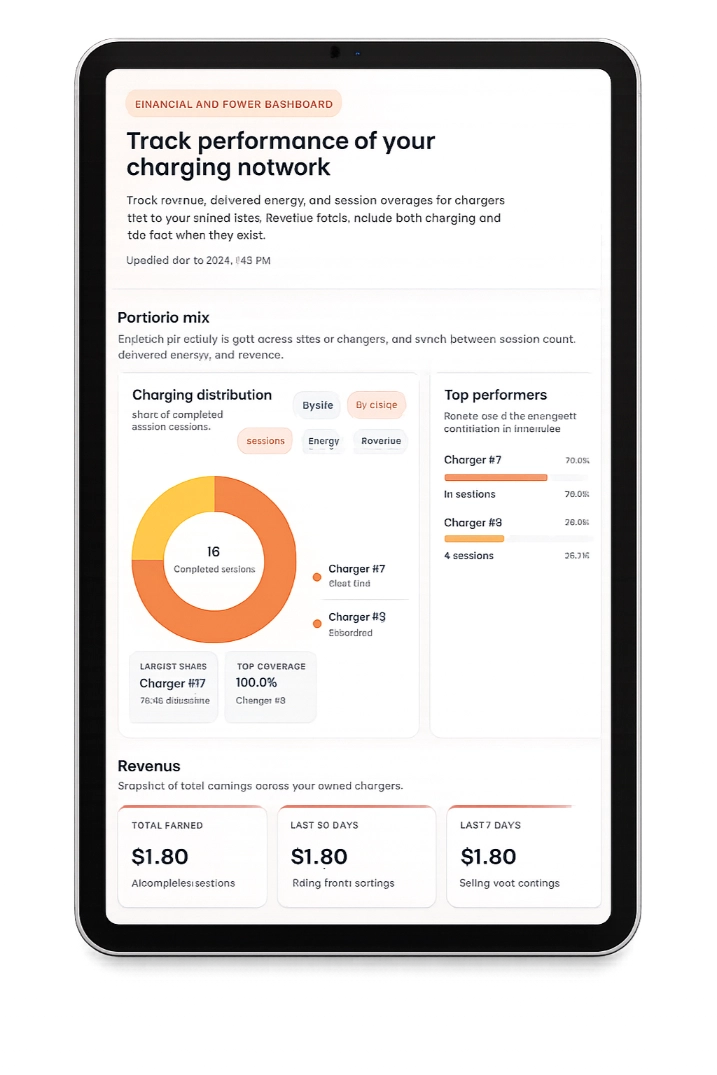
Hardware is only one part of a successful charging network. Managing stations across multiple locations requires software that provides clear information and simple control. ICAPIA’s Charging Station Management Software (CSMS) gives agencies complete visibility across their charging network from one platform.
Features include:
Real-time network visibility
Public access management
Reporting and compliance tracking
Utilization analytics
Payment and billing systems
Multi-site management
Infrastructure Solutions for Every Public Environment
Every location serves different users. ICAPIA designs charging systems around each site’s traffic, parking layout, electrical capacity, and long-term goals.
Municipal Facilities
City halls, community centers, libraries, recreation facilities, and civic buildings often serve residents throughout the day. Public charging gives visitors and employees convenient access while supporting city sustainability plans.
Transit Hubs
Transit stations connect thousands of daily commuters. Reliable transit charging supports park-and-ride users while encouraging more people to combine public transportation with electric vehicles.
Airports
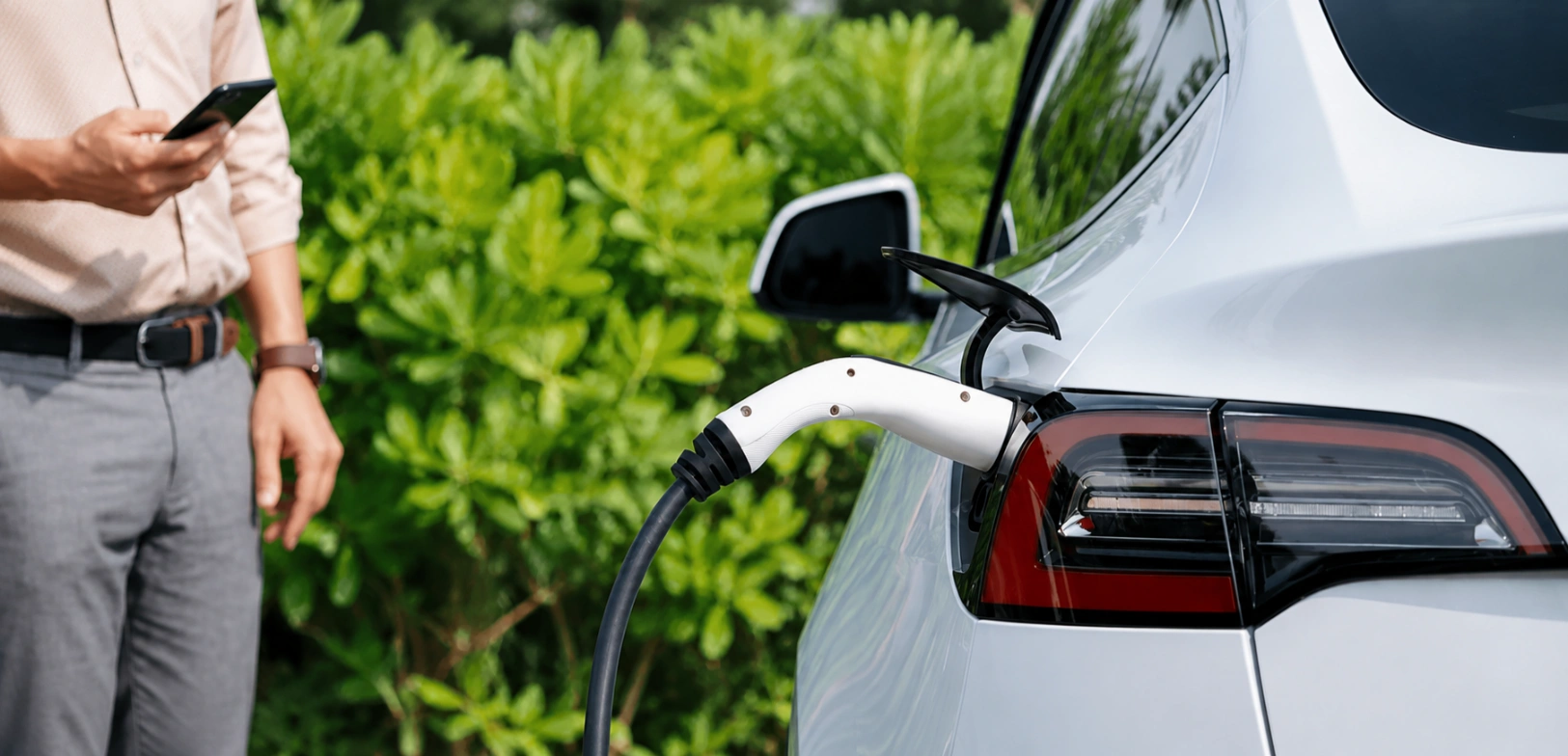
Airports require dependable charging for travelers, rental vehicles, employees, service vehicles, and airport fleets. DC Fast Charging keeps vehicles moving while improving the travel experience.
Park & Ride Facilities
Commuters often leave vehicles parked for several hours. Charging stations allow drivers to return to a fully charged vehicle after work or travel.
Excellent product and outstanding customer service. The Sapphire EV charger has been working great, and I really appreciate the extra RFID cards included in the package. That was a thoughtful touch and shows that this company truly cares about its customers.
Kindle
Fantastic product but even better service. I was having a couple of issues and called the support line and immediately got through to a very knowledgeable person who took the time needed to help me get the system set up. The issue I was having had NOTHING to do with the charger and everything to do with a wifi range limitation I have on my end. Regardless of the issue they helped me get sorted out and I’m up and charging. I’m very satisfied and will be buying two more for our rental properties.
Slosh
Got an EV charger for home. So far so good. Bought an EV last month, decided to buy a level 2 charger. Bought this one for the hardwire option. Decided not to hardwire it and just plugged it up. No issues at all.
chaibear
We spoke with a few EV charging companies before deciding to work with ICAPIA, and from the first conversation it just felt different. Their team was easy to work with, explained everything clearly without trying to oversell us, and helped us find the right solution for our property. The installation went exactly as planned, and we’ve had no issues with the chargers since they went live.
Kate
Reliability Matters in Public Infrastructure
Public charging must work every day. Drivers depend on charging stations during work, travel, and daily routines. Equipment failures reduce public trust and limit charger use.
ICAPIA designs charging systems with reliability as a priority.
Our services include:
High-uptime charging systems
Remote monitoring
Remote diagnostics
Scheduled maintenance
Performance tracking
Long-term asset management
ICAPIA Charging Solutions for Public Infrastructure
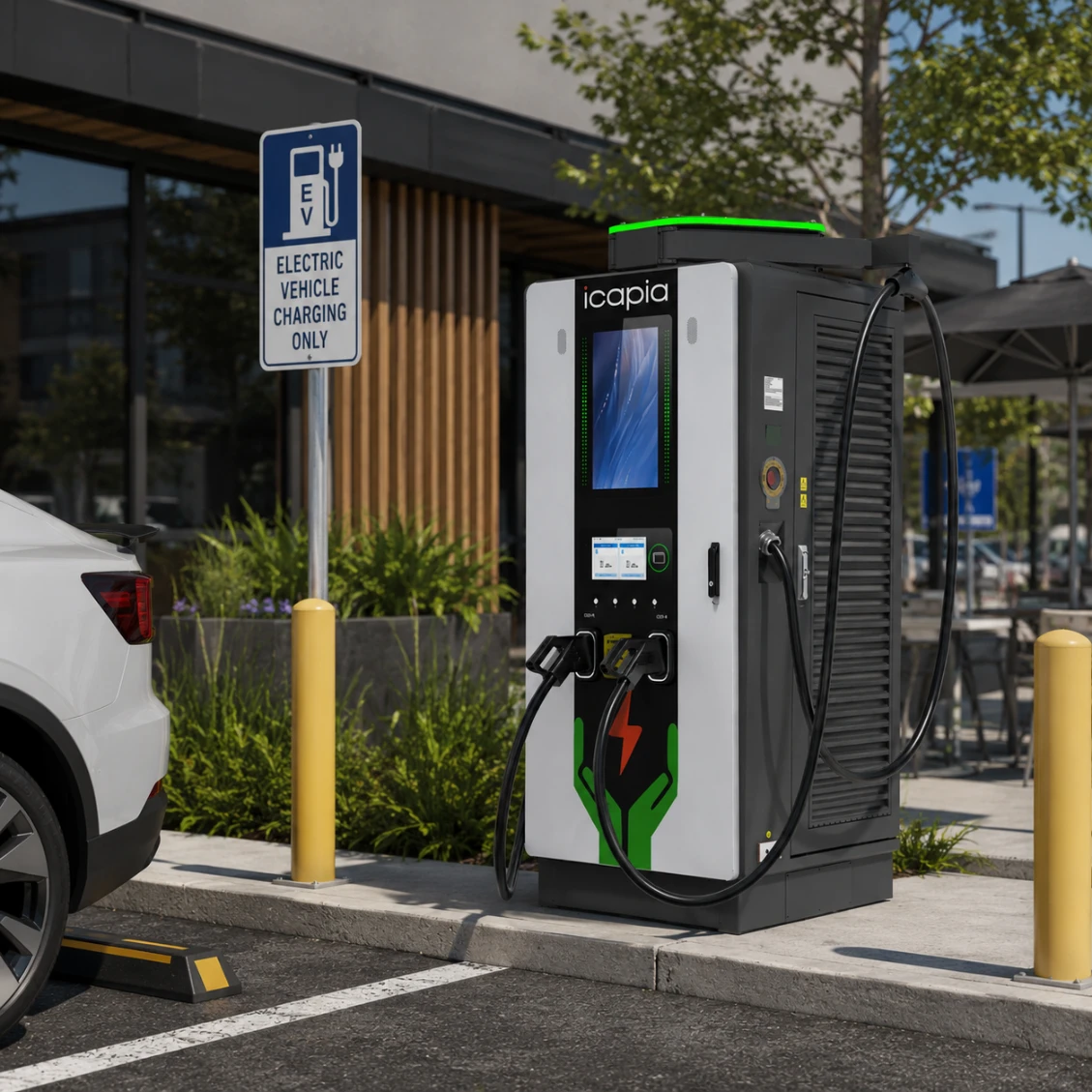
Deploy scalable, future-ready EV infrastructure designed specifically for transit hubs. Our public charging ecosystem seamlessly integrates certified, heavy-duty charging stations with networked software and intelligent power management.
ICAPIA Fast Series EV Chargers
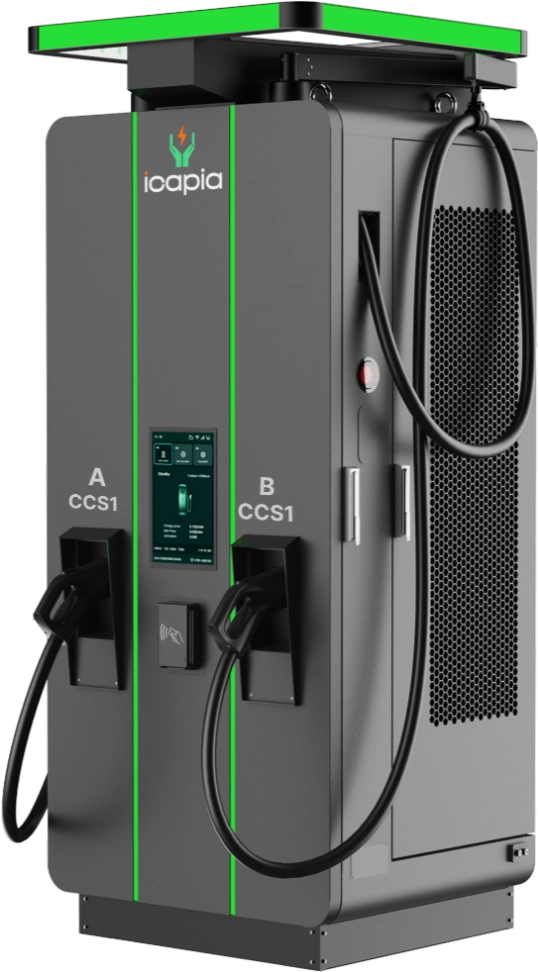
The ICAPIA Fast Series is a powerful DC fast EV charger designed for commercial sites, fleets, and high-demand EV charging applications. With 60–180kW output, CCS1 and NACS compatibility, up to 300A output, Dynamic Load Balancing, dual-port charging, and a 21.5-inch advertising display, it delivers fast, flexible charging while creating opportunities for smarter site management and customer engagement.
Ready to upgrade your EV charging infrastructure? Contact us today to learn more about the ICAPIA Fast Series!
60kW to 180kW
55-inch advertising display
OCPP-compliant
Scalable network
ICAPIA Ultra Series EV Chargers
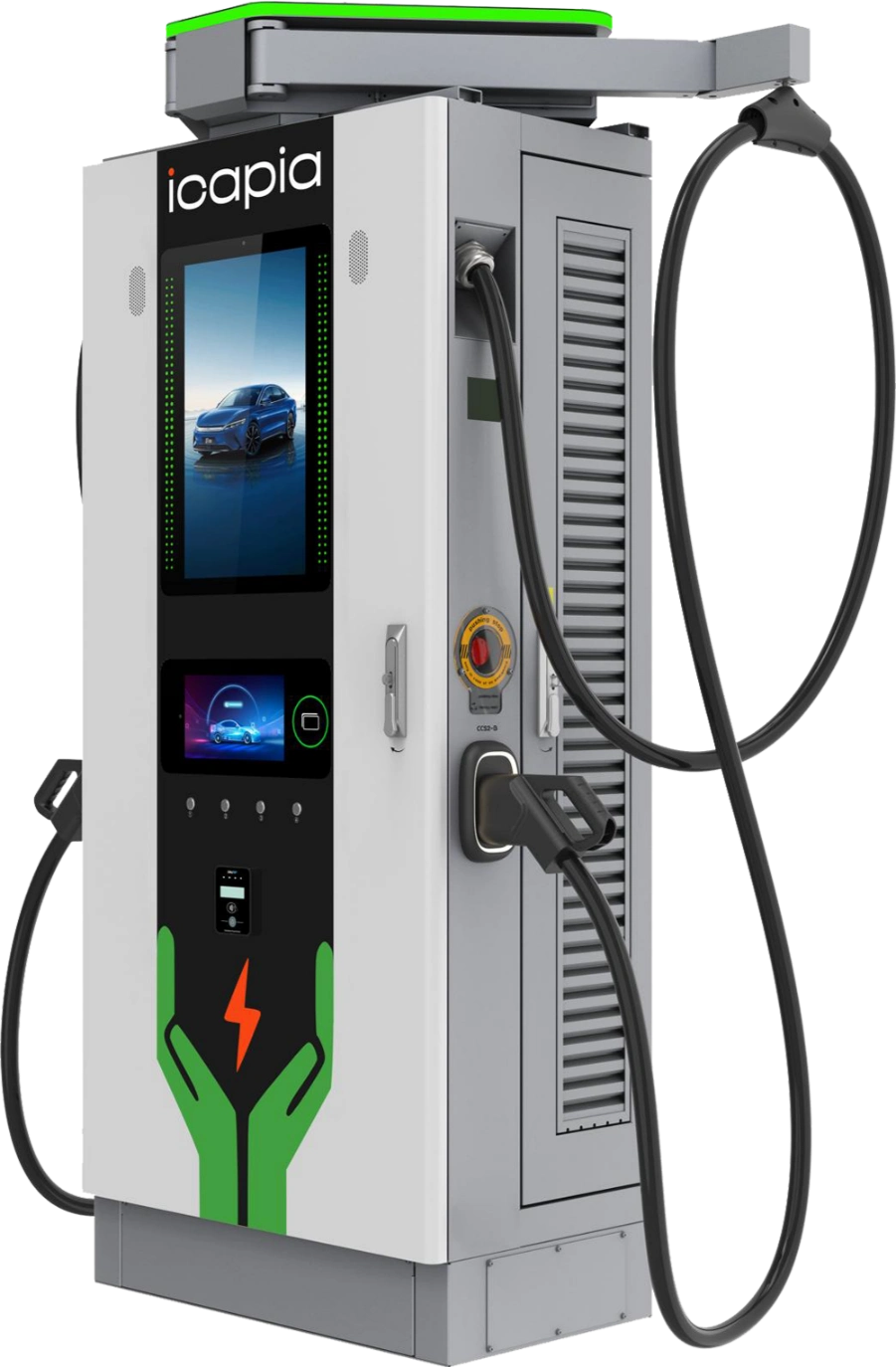
Power high-traffic locations with ultra-fast charging solutions designed for fleets, public infrastructure, travel centers, convenience stores, and commercial destinations. ICAPIA’s DC Fast Charging systems minimize charging times while maximizing uptime, delivering the speed and reliability today’s EV drivers expect.
The Ultra Series delivers ultra-fast EV charging designed for high-demand environments where rapid vehicle turnaround and high throughput are critical.
200kW+ power output
Remote monitoring
Fleet-ready infrastructure
High-demand locations
Smart Network Management
Hardware is only one part of a successful charging network. Managing stations across multiple locations requires software that provides clear information and simple control.
ICAPIA’s Charging Station Management Software (CSMS) gives agencies complete visibility across their charging network from one platform.
- Real-time network visibility
- Public access management
- Payment and billing systems
- Multi-site management
- Reporting and compliance tracking
INCENTIVES & SAVINGS
Funding & Grant Opportunities for Public Charging Projects
Funding often plays a major role in government charging projects. ICAPIA helps public agencies identify programs that reduce project costs while increasing available charging capacity.
Our team assists clients throughout the funding process, helping agencies understand program requirements and prepare stronger applications.
We help support projects through:
Federal Tax Credits
NEVI funding opportunities
Utility partnership programs
Clean transportation grants

Why Public Agencies Choose ICAPIA
Public agencies need a partner that understands both technology and public infrastructure. ICAPIA provides complete support for planning, funding, deployment, and operation.
Public Sector Expertise
Public projects involve unique requirements, including government standards, public access needs, reporting rules, and long approval processes. Our team understands the challenges agencies face when developing charging infrastructure.
Turnkey Infrastructure
ICAPIA manages the full process from initial planning to final operation. This gives agencies one trusted partner instead of coordinating multiple vendors. Services include: Site planning, Engineering support, Equipment selection, Installation, Software setup, Maintenance support.
Funding & Incentive Guidance
Finding the right funding sources can be challenging. ICAPIA helps agencies identify available opportunities and build stronger project plans. We support clients exploring: Federal programs, California incentives, Utility programs, Sustainability funding, Transportation grants.
California Public Infrastructure Knowledge
Based in Torrance, CA, ICAPIA understands the needs of California communities, including clean transportation goals, public infrastructure planning, and growing demand for EV charging.
Real Projects. Real Results.
Public Infrastructure Success Stories
Municipal Charging Network Deployment
Los Angeles, CA
Cities need charging systems that serve residents, employees, and visitors. A well-planned municipal network can increase EV access while supporting local sustainability goals.
Successful municipal projects focus on:
- High-use locations
- Easy public access
- Reliable operation
- Future expansion
Transit Hub Charging Project
Los Angeles, CA
Transit centers connect people every day. Adding transit charging allows commuters to charge while using public transportation.
These projects support:
- Park-and-ride users
- Daily commuters
- Regional transportation networks
- Public fleet programs
Airport Charging Installation
Los Angeles, CA
Airports need charging solutions that support travelers, employees, rental vehicles, and service fleets.
A strong airport charging system improves convenience while supporting cleaner transportation options.
These projects support:
- Airline travelers
- Airport employees
- Rental vehicle fleets
- Airport service fleets
LET’S BUILD THE FUTURE OF EV CHARGING
Create the Charging Network Your Community Needs
ICAPIA helps municipalities, transit agencies, airports, and government organizations build public EV charging infrastructure that supports residents, visitors, and long-term transportation goals.
From planning and funding support to installation and ongoing management, we provide complete solutions for public charging projects. Build a charging network designed around your community’s needs.
Frequently Asked Questions
Whether you’re exploring commercial EV charging, charging management software, DC Fast Charging, or becoming an installer partner, we’ve answered some of the most common questions to help you make informed decisions.
Public EV charging infrastructure includes charging stations installed in locations available to the public, such as parking facilities, transit hubs, airports, government buildings, and community centers.
These systems allow residents, visitors, employees, and travelers to charge electric vehicles while supporting wider transportation goals.
Funding options vary by location and project type. Public agencies may qualify for federal programs, state grants, utility incentives, environmental programs, and transportation funding.
ICAPIA helps agencies identify funding opportunities and prepare projects that meet program requirements.
NEVI, or the National Electric Vehicle Infrastructure program, provides funding to help states build reliable EV charging networks along major transportation routes. The program supports charging access and helps create stronger connections between communities.
Charging locations are selected based on factors such as traffic patterns, parking availability, electrical access, community needs, and future demand. Good site planning helps ensure public charging stations are useful, accessible, and financially sustainable.
Project costs depend on several factors, including charger type, electrical upgrades, construction needs, permits, and site conditions. A small installation may require less investment, while large government charging projects may involve major infrastructure upgrades.
Municipalities can improve reliability through quality equipment, remote monitoring, regular maintenance, and strong network management. ICAPIA provides tools and services that help agencies track performance and maintain high uptime.
Yes. Some public charging stations can generate revenue through charging fees, partnerships, and other usage programs. Revenue potential depends on location, demand, pricing structure, and operating costs.