
As electric vehicle (EV) adoption continues to accelerate, installing charging hardware is only one part of building a successful charging network. Behind every reliable, scalable charging operation is a Charging Station Management System (CSMS)—the software platform that connects, monitors, and manages EV chargers.
Whether you’re operating a workplace charging program, managing a fleet, or deploying public charging stations, a CSMS gives you the tools to control your infrastructure, optimize performance, and deliver a better charging experience.
In this guide, we’ll explain what a Charging Station Management System (CSMS) is, how it works, its key features, and why it’s becoming an essential part of modern EV charging networks.
What Is a Charging Station Management System (CSMS)?
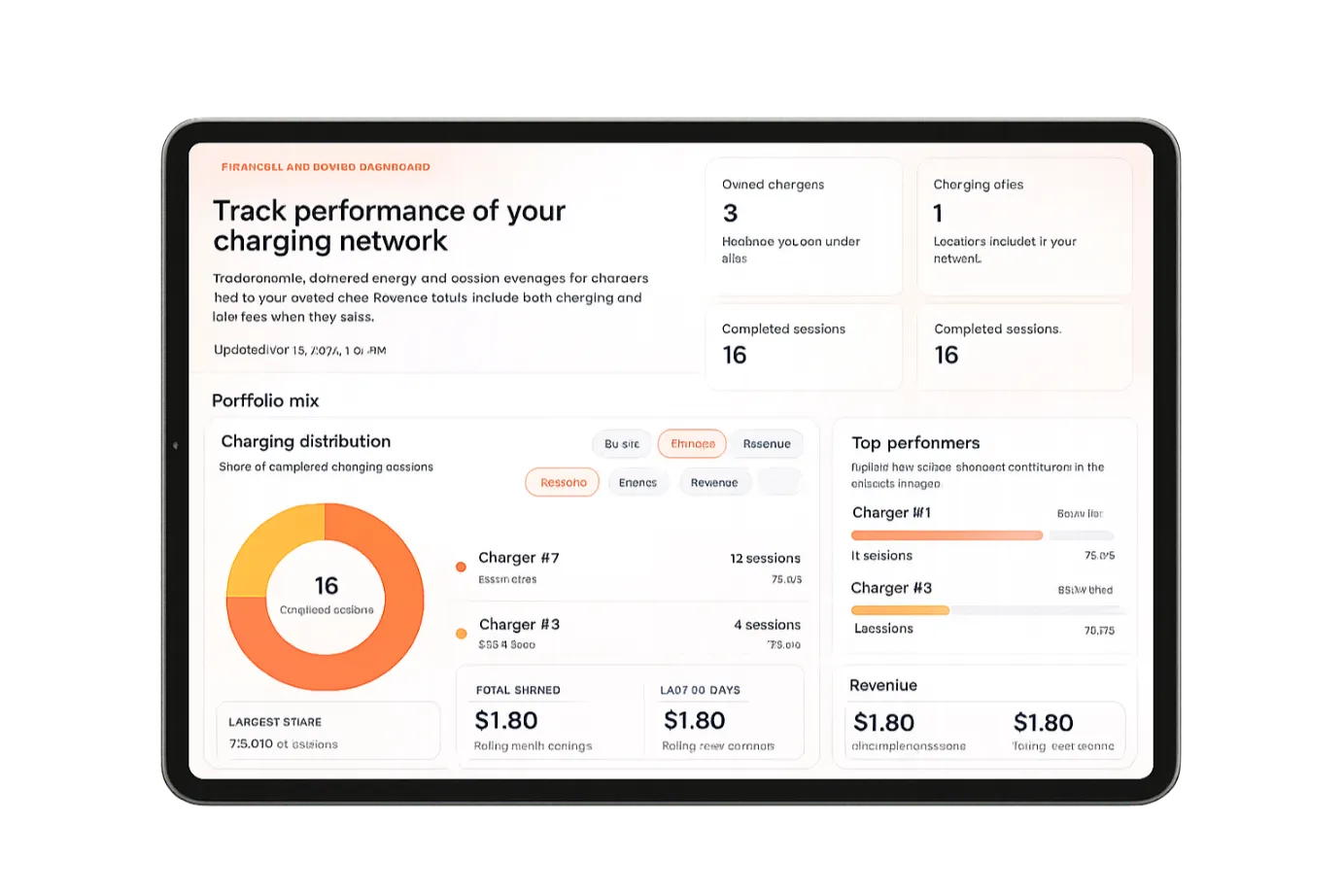
A Charging Station Management System (CSMS) is a cloud-based software platform that allows businesses to remotely manage and monitor one or more EV charging stations from a single dashboard.
Rather than managing chargers individually, a CSMS centralizes operational control, making it easy to monitor charger health, manage users, process payments, analyze usage, and perform software updates—all without being on-site.
A CSMS is particularly valuable for organizations operating multiple charging stations across one or more locations.
How Does a CSMS Work?
A Charging Station Management System acts as the communication hub between EV chargers, drivers, and operators.
Here’s how the process works:
- The EV charger connects to the internet using Ethernet, Wi-Fi, or a cellular network.
- The charger communicates with the CSMS using secure industry-standard protocols such as OCPP (Open Charge Point Protocol).
- The CSMS receives real-time data from the charger, including its status, energy usage, charging sessions, and any fault notifications.
- Operators use a web-based dashboard or mobile app to monitor and manage the charging network.
- Drivers can authenticate, start charging sessions, make payments (if applicable), and view charging history through supported apps or RFID cards.
This centralized communication allows operators to efficiently manage charging infrastructure while providing a seamless experience for EV drivers.
Key Features of a Charging Station Management System
Modern CSMS platforms offer a wide range of features designed to simplify operations and improve charger performance.
Real-Time Monitoring
Operators can instantly view the status of every charging station, including:
- Available
- Charging
- Offline
- Faulted
- Maintenance mode
Real-time monitoring allows issues to be identified quickly, reducing downtime and improving reliability.
Remote Management
Instead of visiting each charger in person, administrators can remotely:
- Start or stop charging sessions
- Restart chargers
- Change configuration settings
- Enable or disable charging stations
- Manage user permissions
This significantly reduces maintenance costs while improving operational efficiency.
User Management
A CSMS makes it easy to manage different types of users, including:
- Employees
- Residents
- Fleet drivers
- Customers
- Guests
Organizations can assign access permissions, manage RFID cards, and control who can use specific charging stations.
Payment Processing
For public or commercial charging, many CSMS platforms support integrated payment systems.
Businesses can:
- Set charging prices
- Charge by energy consumption (kWh)
- Charge by session
- Charge by time
- Offer free charging
- Create membership pricing
Automated billing simplifies revenue collection while improving the user experience.
Load Management
As multiple EVs charge simultaneously, electrical demand can increase significantly.
Smart load management automatically distributes available power among charging stations to prevent electrical overload and reduce costly demand charges.
Benefits include:
- Lower energy costs
- Improved efficiency
- Better scalability
- Reduced infrastructure upgrades
Reporting and Analytics
A CSMS provides valuable insights into charging network performance.
Reports may include:
- Total energy delivered
- Number of charging sessions
- Revenue generated
- Peak usage times
- Charger utilization
- User activity
- Carbon emissions offset
These analytics help organizations make informed decisions about future expansion and operational improvements.
Remote Firmware Updates
Keeping chargers up to date is essential for security, reliability, and compatibility.
A CSMS enables operators to deploy firmware updates remotely, reducing maintenance visits and ensuring charging stations continue operating with the latest features and security improvements.
Who Needs a Charging Station Management System?
A CSMS is ideal for organizations managing multiple EV chargers or providing charging services to employees, customers, tenants, or the public.
Common users include:
- Commercial office buildings
- Retail centers
- Hotels
- Apartment and condominium communities
- Fleet operators
- Municipalities
- Universities
- Hospitals
- Parking facilities
- Public charging providers
Even businesses starting with a small number of chargers often choose a CSMS because it allows for future expansion without changing platforms.
Benefits of Using a CSMS
Implementing a Charging Station Management System provides several long-term advantages.
Simplified Operations
Manage every charging station from a single dashboard instead of maintaining each charger individually.
Improved Reliability
Receive instant alerts when chargers require attention, minimizing downtime.
Better User Experience
Provide drivers with a seamless charging experience through reliable operation, user authentication, and convenient payment options.
Lower Operating Costs
Remote diagnostics and management reduce the need for on-site service visits.
Scalable Infrastructure
Expand your charging network as demand grows without significantly increasing management complexity.
Data-Driven Decision Making
Detailed analytics help optimize charger placement, pricing strategies, and future investments.
Why Open Standards Matter
When selecting a CSMS, it’s important to choose a platform that supports Open Charge Point Protocol (OCPP).
OCPP is an open communication standard that allows compatible chargers and management software to work together, giving organizations greater flexibility when selecting hardware and software providers.
Choosing an OCPP-compliant solution helps reduce vendor lock-in and makes it easier to expand or upgrade your charging infrastructure over time.
Choosing the Right CSMS
Not all Charging Station Management Systems offer the same features.
When evaluating a platform, consider:
- OCPP compatibility
- User management capabilities
- Payment processing options
- Smart load balancing
- Remote diagnostics
- Reporting and analytics
- Firmware management
- Scalability
- Cybersecurity
- Ease of use
- Customer support
The right platform should align with both your current needs and your long-term growth plans.
Future-Proof Your EV Charging Network
As organizations continue investing in EV infrastructure, software will play an increasingly important role in ensuring charging networks remain reliable, secure, and efficient.
A robust Charging Station Management System (CSMS) helps businesses streamline operations, reduce maintenance costs, improve the driver experience, and prepare for future expansion.
Whether you’re installing a few workplace chargers or managing a large commercial charging network, choosing the right CSMS is essential for maximizing the value of your investment.
At ICAPIA, we provide intelligent EV charging solutions backed by advanced charging management technology. Our team can help you design, deploy, and manage a scalable charging network tailored to your business needs.
Ready to simplify EV charging management? Contact ICAPIA today to learn more about our EV charging solutions and Charging Station Management System capabilities.
Frequently Asked Questions
What does a Charging Station Management System (CSMS) do?
A CSMS allows operators to remotely monitor, manage, and optimize EV charging stations through a centralized software platform. It provides features such as user management, payment processing, real-time monitoring, reporting, and remote maintenance.
Do all EV chargers require a CSMS?
No. A single residential charger may not require a CSMS. However, commercial, workplace, fleet, and public charging installations typically benefit from one because it simplifies operations and enables advanced features.
What is OCPP, and why is it important?
Open Charge Point Protocol (OCPP) is an open communication standard that enables EV chargers and management software from different manufacturers to work together. It provides greater flexibility and reduces dependence on a single vendor.
Can a CSMS manage chargers across multiple locations?
Yes. Most modern CSMS platforms allow organizations to monitor and manage charging stations across multiple sites through a single dashboard.
Is a CSMS secure?
Reputable CSMS platforms include security features such as encrypted communications, user authentication, role-based access, and regular software updates to help protect charging infrastructure and user data.